Site Updates in Progress: Things might look different as we work on enhancing your experience.

Healthcare
    • Board of Directors
    • Board of Directors
  • Contact Us
  • Login
Healthcare
  • Home
  • Study Guides
    Study Guides
    • Practice Tests
      Practice Tests
      • Resources
        Resources
        • Board of Directors
          Board of Directors
          • Board of Directors
      • Contact Us

      Access top-tier trade education from anywhere in America—flexible, affordable, and digitally powered. Proudly American owned and operated.

      Useful Links

      • Home
      • Board of Directors
      • Blogs
      • Videos
      • Contact Us

      Study Guides

      • ABG Analysis & Blood Gas Interpretation
      • Acid-Base Balance & Fluid & Electrolyte Balance
      • Anatomy & Physiology Basics
      • Assignment, Delegation & Supervision
      • Basic Life Support (BLS) & Emergency Interventions
      • Blood Transfusion Protocols
      • Cardiovascular Medications & Safety Protocols
      • Cardiovascular System
      • Chest Pain
      • Community Health & Public Health Nursing
      • Critical Care Nursing & Emergency Response
      • Cultural Competence & Inclusive Nursing Practice
      • Dental Hygienist
      • Dermatology Nurse
      • Diabetes Educator
      • Diagnostic Medical Sonographer
      • Dialysis Technician
      • Dietitian
      • Digestive & Gastrointestinal System
      • Disaster & Emergency Preparedness
      • Documentation & Charting Best Practices
      • Drug Calculations & Medication Administration
      • Electrolyte Imbalances & Interventions
      • Electroneurodiagnostic Technologist (EEG Tech)
      • Emergency Medical Technician
      • Emergency Room Nurse
      • End-of-Life Care & Hospice Nursing
      • Endocrine System & Hormonal Regulations
      • Endoscopy Technician
      • Epidemiologist
      • Ethics & Legal Aspects in Nursing
      • Evidence-Based Practice & Research in Nursing
      • Exercise Physiologist
      • Family Nurse Practitioner
      • Fertility Specialist
      • Flight Nurse
      • Forensic Nurse
      • Gastroenterology Technician
      • General Practitioner
      • Genetic Counselor
      • Geriatric & Long-Term Care Nurse
      • Head Injury & Increased Intracranial Pressure
      • Health Equity & Social Determinants of Health
      • Health Information Manager
      • Health Promotion & Disease Prevention
      • Healthcare Consultant
      • Healthcare Informatics & Data Security
      • Hematologic System
      • Hemodialysis Nurse
      • Home Health Aide
      • Hormonal Imbalances & Crisis Management
      • Hospice Nurse
      • Hospital Administrator
      • Hyperbaric Technician
      • IV Therapy & Central Line Management
      • Immune System & Infectious Diseases
      • Immunologist
      • Infection Control & Isolation Precautions
      • Infection Control Specialist
      • Infection Prevention & Control Measures
      • Intensive Care Unit
      • Interdisciplinary Team Collaboration
      • Interventional Radiology Technologist
      • Lab Values & Diagnostic Testing
      • Laboratory Technician
      • Lactation Consultant
      • Legal Case Studies in Nursing Practice
      • Licensed Practical Nurse
      • Long-Term Care Nurse
      • MRI Technician
      • Maternal-Newborn Complications & High-Risk Pregnancy
      • Medical Assistant
      • Medical Coder & Biller
      • Medical Equipment Repairer
      • Medical Ethicist
      • Medical Ethics & Patient Safety
      • Medical Illustrator
      • Medical Laboratory Scientist
      • Medical Physicist
      • Medical-Surgical Nursing (Acute & Chronic Conditions)
      • Mental Health Counselor
      • Midwife
      • Multisystem Organ Failure & Shock
      • Musculoskeletal System & Mobility Disorders
      • Neonatal & Newborn Nursing
      • Neonatal Nurse
      • Nephrology Nurse
      • Neurological System (Brain, Spinal Cord, Nervous System Disorders)
      • Neuroscientist
      • Neurosurgery Technician
      • Nuclear Medicine Technologist
      • Nurse Practitioner
      • Nutrition & Diet Therapy
      • Nutritionist
      • Occupational Therapist
      • Operating Room Nurse
      • Ophthalmic Technician
      • Optometrist
      • Orthopedic Nurse
      • Pain Management & Palliative Care
      • Paramedic
      • Patient Advocacy & Informed Consent
      • Pediatrics & Maternity (Obstertrics,Prenatal,Postpartum Care)
      • Pharmacist
      • Pharmacology & Medications by Body System
      • Phlebotomists
      • Physical Therapist
      • Physician Assistant
      • Professional Boundaries & Ethics in Practice
      • Professional Nursing Concepts (Delegation, Leadership, Communication)
      • Prosthetist
      • Psychiatric & Mental Health Nursing
      • Psychiatric Nurse Practitioner
      • Pulmonologist
      • Quality Improvement & Risk Management
      • Radiation Therapist
      • Radiologic Technician
      • Registered Nurse
      • Rehabilitation Nurse
      • Renal & Urinary System
      • Reproductive Endocrinologist
      • Respiratory Emergencies & Ventilation
      • Respiratory System & Oxygenation
      • Respiratory Therapist
      • Rheumatology Nurse
      • Sepsis Management
      • Skin, Integumentary System & Burns
      • Sleep Technologist
      • Sonographer
      • Speech-Language Pathologist
      • Spine Specialist
      • Sports Medicine Nurse
      • Sterile Processing Technician
      • Stroke Recognition & Nursing Care
      • Substance Abuse Counselor
      • Surgical & Perioperative Nursing
      • Surgical Technologist
      • Technology in Patient Monitoring
      • Telehealth & Virtual Care in Nursing
      • Telemedicine Specialist
      • Tissue Bank Specialist
      • Toxicologist
      • Transplant Nurse
      • Trauma Nurse
      • Trauma-Informed Care in Nursing
      • Travel Nurse
      • Wound Care & Pressure Injuries

      Contact Us

      info@healthcarestudyguide.com

      ©2026 ALL RIGHTS RESERVED. Unity Crest Solutions Inc.

      Your browser does not support the video tag.
      HomeCourses
      Dental Hygienist
      Buy Now

      Dental Hygienist Healthcare Study Guide

      What is a Dental Hygienist?

      A Dental Hygienist is a licensed oral healthcare professional who specializes in preventing, detecting, and treating oral diseases. They provide essential patient care services such as teeth cleaning, fluoride application, and oral health assessments. Dental Hygienists work closely with dentists to develop treatment plans, educate patients on proper hygiene techniques, and promote lifelong oral wellness.

      Serving patients across all age groups, dental hygienists play a key role in improving public health outcomes and reducing the risk of chronic disease through early detection and patient education. Their work directly supports not just dental health, but overall systemic health—making them a vital part of today’s healthcare system.

      Key Responsibilities

      Dental Hygienists perform a wide range of duties, including:

      • Conducting oral health assessments and charting conditions
      • Removing plaque, calculus (tartar), and stains from teeth
      • Taking and interpreting dental X-rays
      • Applying fluoride treatments and dental sealants
      • Educating patients on brushing, flossing, and nutrition
      • Screening for signs of gum disease, cavities, or oral cancer
      • Collaborating with dentists on personalized treatment plans

      Required Skills & Traits

      To succeed as a Dental Hygienist, individuals should demonstrate the following skills and qualities:

      • Manual Dexterity: Precise hand skills for working in small oral spaces
      • Communication: Ability to clearly explain procedures and educate patients
      • Attention to Detail: Careful assessment and documentation of oral health conditions
      • Empathy & Compassion: Helping patients feel comfortable during procedures
      • Critical Thinking: Identifying oral health issues and contributing to treatment strategies
      • Professionalism: Adhering to ethical standards, safety protocols, and patient confidentiality
      • Adaptability: Ability to work with diverse patients and in various clinical environments

      Industries & Work Environments

      Dental Hygienists work in a wide variety of healthcare settings, such as:

      1. Private Dental Clinics – General and specialty dental practices
      2. Community Health Centers – Providing care to underserved populations
      3. Public Health Agencies – School-based and mobile outreach programs
      4. Long-Term Care Facilities – Treating elderly or medically vulnerable patients
      5. Educational Institutions – Teaching dental hygiene students or providing clinical supervision
      6. Independent Practices – (In Canada, some provinces allow independent practice under regulation)

      Why Choose This Career?

      A career as a Dental Hygienist offers multiple professional and personal benefits:

      • High Demand & Job Security: An aging population and growing awareness of preventative care have increased the need for dental hygienists across North America.
      • Competitive Salary & Work-Life Balance: Many hygienists enjoy part-time or flexible schedules with strong earning potential.
      • Diverse Career Paths: From general practice to public health, education, and independent practice, the field offers room for specialization and mobility.
      • Meaningful Patient Impact: Hygienists help patients prevent disease, build confidence through healthy smiles, and take control of their overall health.
      • Fast Entry into the Workforce: Many programs allow you to become certified and start working within two to three years.

      Excellent! Based on your request and the NCLEX-RN format you've shared, here’s Page 2: Certification Exam Overview – Dental Hygienist, structured to match the tone and layout of your Registered Nurse example. I’ve included two region-specific versions: one for Canada and one for the United States, while keeping the structure identical for consistency across your site.

      Thank you for the clarification! Here's the Page 2: Certification Exam Overview – Dental Hygienist, written to match exactly the tone, flow, and structure of your example for the Registered Nurse NCLEX-RN page. I've created one unified version that can be easily customized for Canada or the U.S. later.

      What to Expect on the Dental Hygienist Certification Exam

      Becoming a Dental Hygienist requires passing a national certification exam to demonstrate competency in clinical dental hygiene, patient education, and professional responsibility. In Canada, this is the National Dental Hygiene Certification Examination (NDHCE), while in the United States, candidates take the National Board Dental Hygiene Examination (NBDHE). Both exams are essential for obtaining licensure and beginning your career as a licensed dental hygienist.

      These exams are designed to assess your ability to apply theoretical knowledge in real-world dental hygiene scenarios, ensuring safe, ethical, and effective patient care.

      Exam Format & Structure

      Both the NDHCE and NBDHE are computer-based exams administered at authorized testing centers.

      • Number of Questions:
        • Canada (NDHCE): 200 multiple-choice questions
        • USA (NBDHE): 350 questions (200 standalone, 150 case-based)
      • Time Limit:
        • Canada: 4 hours
        • USA: 7 hours (includes breaks and tutorial)
      • Question Types:
        • Multiple-choice
        • Case-based scenarios
        • Image-based questions (including radiographs)
        • Patient history interpretation
      • Scoring:
        • Canada: Pass/Fail (minimum competency score required)
        • USA: Scaled score (range: 49–99; Pass = 75+)
      • Retake Policy:
        • Canada: Up to 3 attempts before requiring special permission
        • USA: 90-day wait between attempts, up to 5 attempts (varies by state board)

      Key Topics Covered

      Dental Hygienist certification exams focus on five core domains of professional practice:

      1. Scientific Knowledge for Practice
        • Dental anatomy, oral histology, pathology, microbiology, and pharmacology
      2. Patient Assessment & Diagnosis
        • Medical and dental history, periodontal charting, and risk assessments
      3. Planning & Implementation
        • Developing care plans, scaling/root planing, preventive procedures, and fluoride therapy
      4. Community and Public Health
        • Oral health promotion, epidemiology, health literacy, and program development
      5. Ethics, Law & Professionalism
        • Informed consent, patient confidentiality, scope of practice, and safety protocols

      Passing Requirements

      Dental hygiene exams are competency-based, ensuring that candidates meet professional entry-to-practice standards.

      • Pass: Demonstrating adequate clinical reasoning, knowledge application, and adherence to safety principles
      • Fail: Inability to meet the minimum threshold across tested domains or within total exam score range

      Scoring systems vary by country, but all ensure that only qualified candidates are licensed to practice independently or under supervision.

      Study Tips & Strategies

      1. Understand the Exam Structure
        • Review official exam guides from the NDHCE or NBDHE to understand the content categories and format.
      2. Create a Study Plan
        • Allocate 6–10 weeks for preparation, breaking topics into daily or weekly goals. Use a calendar to stay consistent.
      3. Use Trusted Study Materials
        • Practice with Q&A guides that include detailed explanations. Use textbooks approved by dental hygiene programs.
      4. Practice with Case-Based Scenarios
        • Focus on clinical judgment questions that include radiographs, periodontal assessments, and patient profiles.
      5. Focus on Radiographic Interpretation
        • Image-based questions are common. Study bitewing and panoramic images to identify caries, bone loss, and other pathologies.
      6. Take Full-Length Practice Exams
        • Simulate the real testing experience to manage time and build exam-day confidence. Review answer rationales in depth.
      7. Manage Test-Day Stress
        • Stay calm through relaxation techniques, healthy sleep, and a nutritious meal before your exam. Trust your preparation.

      Final Thoughts

      Passing your Dental Hygienist certification exam is a critical step toward entering a meaningful and in-demand profession. With a structured study approach, quality materials, and enough practice, you'll be ready to succeed and earn your professional credentials.

      Ready to ace your exam? Our study guides offer over 250 exam-style questions, full answer explanations, and mock test simulations designed to boost your confidence and performance.

      Common Question Types on the Dental Hygienist Exam

      Both the NDHCE (Canada) and NBDHE (USA) are designed to assess how well you apply dental hygiene knowledge in clinical practice. Whether you're interpreting radiographs, planning treatment, or reviewing patient histories, the exam focuses heavily on real-world scenarios, not just memorization.

      Here are the common question types you’ll encounter:

      1. Multiple-Choice Questions
        • Most questions present a scenario with four answer options. Only one is correct.
        • Focus is on critical thinking, not recall alone.
      2. Example Question:
        A patient presents with generalized bleeding gums, 4 mm pocket depths, and visible plaque. What is the most appropriate next step?
        • A) Refer to a periodontist
        • B) Apply fluoride varnish
        • C) Provide oral hygiene instruction and scaling
        • D) Take bitewing radiographs
      3. Why? The most appropriate step is to address the current inflammation and plaque levels through non-surgical periodontal therapy.
      1. Case-Based Questions
        • These include multiple questions based on a single patient profile with charts, radiographs, or images.
        • You'll be tested on assessment, diagnosis, and planning care.
      2. Example Case Scenario:
        A 45-year-old patient reports tobacco use and presents with localized 5 mm pockets and moderate calculus buildup.

        Follow-Up Question:
        What would be the most appropriate maintenance interval for this patient?
        • A) Every 12 months
        • B) Every 9 months
        • C) Every 3–4 months
        • D) Every 6 months
      3. Why? Patients with periodontal risk factors like smoking and pocketing benefit from more frequent recalls.
      1. Image-Based or Radiographic Interpretation Questions
        • You’ll be asked to identify conditions based on dental images.
        • These can include decay, bone loss, calculus, restorations, or pathology.
      2. Tip: Study normal vs. abnormal radiographs so you can quickly spot issues like caries, vertical bone loss, or furcation involvement.
      1. Scenario-Based Ethical or Legal Questions
        • Focused on professionalism, patient confidentiality, and decision-making.
        • These assess how you respond to real workplace dilemmas.
      2. Example:
        A colleague frequently overlooks sterilization protocols. What is the best action to take?
        • A) Report to the media
        • B) Report to the office supervisor or regulatory body
        • C) Ignore the situation
        • D) Tell the patient directly

      Practice Strategies

      Practicing with high-quality, exam-style questions is one of the most effective ways to improve your readiness and confidence.

      Here’s how to optimize your study sessions:

      1. Use a Mix of Question Types
        • Combine standalone, image-based, and case-based questions.
        • Focus on areas where you feel least confident, such as pharmacology or ethics.
      2. Simulate the Exam Environment
        • Take timed practice tests to mirror the actual exam format and stress level.
        • Aim for 100–150 questions in one sitting to build endurance.
      3. Review Rationales Thoroughly
        • Don’t just memorize correct answers—understand why they’re correct.
        • Read every explanation carefully to reinforce your learning.
      4. Focus on High-Yield Topics
        • These include periodontal assessments, radiograph interpretation, treatment planning, and infection control.
        • Use a review guide that mirrors the official exam blueprint.
      5. Track Your Progress
        • Record scores, missed questions, and topic areas to adjust your study plan.
        • Aim to consistently score 80% or higher on practice tests before test day.

      Final Thoughts

      The Dental Hygienist certification exam is designed to reflect clinical decision-making and patient care scenarios—not just textbook knowledge. The more you practice with exam-style questions, the more confident you’ll feel navigating real clinical challenges.

      Ready to put your knowledge to the test? Our Healthcare Study Guide includes 250+ practice questions, full answer rationales, and timed online mock exams to help you succeed.

      What Is It Like to Work as a Dental Hygienist?

      A career as a Dental Hygienist is fast-paced, people-focused, and rooted in both preventive care and clinical precision. Dental Hygienists work closely with patients of all ages, helping to maintain oral health through routine cleanings, assessments, and patient education. Whether in a private practice, public health clinic, or mobile care unit, every day offers a mix of hands-on care, professional collaboration, and meaningful patient interaction.

      Morning Routine: Starting the Day

      Most hygienists begin their day 15–30 minutes before the first patient arrives to review the day’s schedule and prepare treatment rooms.

      Patient Chart Review & Prep

      • Review health histories, previous treatment notes, radiographs, and medical alerts.
      • Set up trays with sterilized instruments and confirm operatory disinfection.

      Initial Patient Assessment

      • Greet and seat patients; update medical histories and discuss oral health concerns.
      • Take vital signs when necessary and perform preliminary intraoral examinations.

      Radiographs & Imaging

      • Take necessary x-rays (bitewings, periapical, or panoramic) based on the care plan and patient history.

      Midday: Clinical Procedures & Patient Education

      Throughout the day, hygienists rotate between patient care, charting, and assisting the dentist with clinical follow-ups.

      Scaling & Root Planing

      • Perform routine or deep cleanings to remove plaque, tartar, and biofilm.
      • Use manual and ultrasonic instruments for periodontal therapy.

      Oral Hygiene Instruction

      • Educate patients on brushing, flossing, fluoride use, and dietary factors.
      • Demonstrate techniques using models and tools tailored to individual needs.

      Preventive Treatments

      • Apply fluoride varnish, sealants, or desensitizing agents.
      • Recommend appropriate oral care products based on patient risk level.

      Interprofessional Collaboration

      • Share findings with the dentist and assist in updating treatment plans.
      • Refer patients for additional periodontal or restorative care when needed.

      Charting & Documentation

      • Record assessments, procedures, radiographs, and education provided in the electronic health record (EHR).

      End-of-Day Wrap-Up: Closing the Clinic

      As the final patients are seen, dental hygienists shift focus to operatory cleanup and planning for the next day.

      Instrument Sterilization

      • Clean and autoclave instruments according to infection control standards.
      • Ensure all disposable materials are safely discarded.

      Patient Follow-Up & Scheduling

      • Help schedule recall appointments and send follow-up instructions as needed.
      • Update personal notes to track patients’ oral health progress over time.

      Team Huddle & Continuing Education

      • Participate in team check-ins or short training sessions on new tools or protocols.

      Tools & Equipment Used by Dental Hygienists

      Dental Hygienists rely on specialized tools to deliver effective and comfortable care:

      • Ultrasonic scaler – For efficient removal of calculus
      • Hand scalers and curettes – For precision subgingival cleaning
      • Intraoral camera – To visually explain findings to patients
      • Digital x-ray system – For real-time imaging and reduced radiation exposure
      • Polishing handpiece – For stain removal and fluoride application
      • PPE & infection control barriers – To ensure safe treatment environments
      • Dental software (e.g., Dentrix, Eaglesoft) – For charting and treatment planning

      Workplace Challenges & Rewards

      Challenges

      • Time pressures with back-to-back appointments
      • Physical strain from prolonged sitting and repetitive hand movements
      • Managing dental anxiety in patients of all ages
      • Keeping up with evolving infection control protocols

      Rewards

      • Immediate impact on patient health and confidence
      • Consistent hours and work-life balance in most roles
      • Career flexibility across clinical, public health, and academic settings
      • Strong relationships built with recurring patients over time

      Final Thoughts

      A day in the life of a Dental Hygienist is a blend of clinical precision, patient care, and preventive education. Whether you're scaling plaque, reviewing x-rays, or helping someone regain confidence in their smile, your work has a lasting impact.

      Curious about this career? Our exam-focused study materials include real-world scenarios, case-based questions, and clinical practice simulations to help you prepare with confidence.

      What Are the Career Growth Opportunities for a Dental Hygienist?

      Dental Hygiene offers a dynamic and rewarding career path with opportunities that go far beyond routine cleanings. Whether you’re just starting out or looking to expand your role, there are clear pathways for professional advancement, specialization, and leadership in both clinical and non-clinical environments. With growing demand in both private and public health sectors, dental hygienists can build long-term careers with flexibility, financial stability, and room to grow.

      Career Progression: From Entry-Level to Advanced Roles

      Most dental hygienists begin their careers working in general dentistry practices under the supervision of a licensed dentist. Over time, many explore new opportunities based on their interests, education, and certifications.

      Entry-Level Roles (0–2 years experience):

      • General Practice Dental Hygienist
      • Community Health Dental Hygienist
      • School-Based Dental Hygienist
      • Long-Term Care Facility Hygienist

      Mid-Level Roles (3–7 years experience):

      • Periodontal or Pediatric Hygiene Specialist
      • Independent or Mobile Dental Hygienist (where permitted)
      • Clinical Mentor or Office Coordinator
      • Dental Hygiene Faculty (with additional credentials)

      Advanced Roles (8+ years experience or advanced education):

      • Public Health Program Manager
      • Research Coordinator or Clinical Educator
      • Practice Owner or Business Consultant (in jurisdictions allowing independent practice)
      • Dental Hygiene Director or Regulatory Advisor

      Specialization Opportunities

      Many hygienists choose to specialize in areas that match their interests and career goals. Specializations often require continuing education or additional certifications:

      • Periodontal Therapy – Advanced skills in nonsurgical periodontal treatment
      • Pediatric Dental Hygiene – Focused care for infants, children, and teens
      • Geriatric Oral Health – Serving aging populations with complex needs
      • Anesthesia & Pain Management – Administering local anesthesia (where licensed)
      • Dental Oncology Support – Working with cancer patients to manage oral side effects
      • Oral-Systemic Health Integration – Addressing links between oral health and chronic diseases

      Leadership & Non-Clinical Options

      For those interested in branching beyond chairside care, there are numerous leadership and non-clinical paths in the field of dental hygiene:

      • Education & Faculty Roles – Train the next generation of dental professionals
      • Research & Clinical Trials – Conduct or support studies on oral health practices
      • Health Policy & Advocacy – Work with public health agencies or dental boards
      • Corporate Consulting or Sales – Represent dental products or software companies
      • Tele-dentistry Roles – Provide assessments and education via virtual care platforms

      These roles often require a bachelor’s or master’s degree in dental hygiene, public health, education, or a related field.

      Why Career Advancement Matters

      Investing in career growth as a dental hygienist pays off in multiple ways:

      • Increased Earning Potential – Specialized or advanced roles often command higher salaries
      • Professional Fulfillment – Greater autonomy, influence, and the ability to mentor others
      • Flexibility & Job Security – Broader qualifications create options across settings and regions
      • Public Health Impact – Opportunities to affect change at the community or policy level

      Final Thoughts

      The career path for Dental Hygienists is both stable and full of potential. From early practice to educational leadership or public health advocacy, your skills can grow with you—whether you stay in the operatory or step into a new role.

      Ready to plan your career beyond the exam? Our Healthcare Study Guide resources help you get licensed—and set the foundation for long-term success in any dental hygiene path.

      How Much Can a Dental Hygienist Earn?

      A career as a Dental Hygienist offers strong income potential, consistent job growth, and competitive wages across North America. Salaries vary depending on location, experience, education, specialization, and the type of dental practice. Whether working in general dentistry, public health, or specialty clinics, hygienists have multiple pathways to boost their earnings over time.

      General Wage Ranges for Dental Hygienists

      Experience Level

      Hourly Wage

      Annual Salary

      Common Work Settings

      Entry-Level (0–2 Years)

      $30–$40 USD / $35–$45 CAD

      $60,000–$80,000 USD / $70,000–$90,000 CAD

      General dentistry, public health clinics

      Mid-Level (3–10 Years)

      $40–$50 USD / $45–$55 CAD

      $80,000–$100,000 USD / $90,000–$110,000 CAD

      Periodontics, orthodontics, private practices

      Advanced (10+ Years)

      $50–$65+ USD / $55–$80+ CAD

      $100,000–$130,000+ USD / $110,000–$150,000+ CAD

      Specialized or independent hygiene practice

      Top Earning Regions

      United States – Highest Paying States (USD):

      1. California – $115,000+
      2. Washington – $105,000+
      3. Oregon – $100,000+
      4. Alaska – $98,000+
      5. New Jersey – $95,000+

      Canada – Highest Paying Provinces (CAD):

      1. Alberta – $50–$60/hr ($100,000+ annually)
      2. British Columbia – $45–$55/hr
      3. Ontario – $40–$50/hr
      4. Saskatchewan – $40–$48/hr
      5. Manitoba – $38–$46/hr

      Urban centers and specialty clinics tend to offer higher salaries than rural or general practices.

      Factors That Influence Salaries

      Several key factors impact how much a Dental Hygienist can earn:

      1. Education & Licensing

      • Completing advanced diplomas or bachelor’s degrees in dental hygiene may lead to higher starting wages.
      • Additional certifications (local anesthesia, nitrous oxide, restorative hygiene) increase job qualifications.

      2. Specialization & Scope of Practice

      • Hygienists who perform expanded duties—such as administering anesthesia or restorative work—earn more.
      • Public health and hospital-based roles may offer higher wages with benefits.

      3. Work Setting

      Setting

      Hourly Wage (USD / CAD)

      Annual Salary (USD / CAD)

      General Dentistry Clinics

      $35–$50 / $38–$50

      $70,000–$100,000 / $75,000–$105,000

      Orthodontic & Periodontal Offices

      $45–$60 / $48–$65

      $90,000–$120,000 / $95,000–$130,000

      Public Health Agencies

      $40–$55 / $42–$60

      $80,000–$110,000 / $85,000–$120,000

      Education & Clinical Instruction

      $35–$60 / $40–$65

      Varies by institution

      4. Experience & Career Progression

      • Salaries increase steadily with years of experience.
      • Hygienists who move into education, consulting, or clinic management often earn more.

      5. Union Membership

      • Unionized hygienists often receive better wages, benefits, and job security.
      • Common union perks include health coverage, paid leave, and CE funding.

      6. Independent & Mobile Practice (where permitted)

      • In some provinces and states, self-employed hygienists can set their rates and manage their patient load—often earning more with flexible hours.

      Salary Growth Outlook

      The demand for Dental Hygienists is projected to increase in both Canada and the U.S. due to aging populations, a growing focus on preventive care, and expanded access to public dental programs.

      Projected Growth:

      • United States: 7% increase in hygienist jobs by 2032 (U.S. Bureau of Labor Statistics)
      • Canada: Growing demand in public health programs and underserved regions (Canadian Dental Association)

      Tips to Increase Earning Potential

      1. Pursue Specialized Certifications – Add restorative hygiene or anesthesia skills.
      2. Work in High-Demand Regions – Urban and high-cost areas typically pay more.
      3. Join a Union – For higher pay, better benefits, and legal protections.
      4. Explore Public Health or Education – May offer higher compensation with pension plans.
      5. Consider Independent Practice – Where legal, set your own rates and hours.

      Why Dental Hygiene Is a Rewarding, High-Potential Career

      High wages in both clinical and non-clinical roles
      Flexible work hours for work-life balance
      Strong job security and growth potential
      Meaningful patient impact through preventative care

      Ready to Maximize Your Income as a Dental Hygienist?
      Prepare for your certification exam with our practice questions, Q&A study guides, and online tests—designed to help you enter the workforce with confidence.

      Essential Tools & Resources for Dental Hygienists

      To succeed as a Dental Hygienist, it’s important to have both hands-on clinical tools and strong educational resources. Whether you're studying for certification, beginning your first job, or continuing your education, the right toolkit can enhance patient care and support long-term career development.

      1. Clinical Tools & Equipment

      Every dental hygienist needs access to high-quality instruments to ensure patient safety and comfort. Here are some of the most widely used tools in the profession:

      Tool

      Purpose

      Ultrasonic Scaler

      Removes plaque and calculus using vibrations

      Hand Scalers & Curettes

      Manual removal of tartar from teeth surfaces

      Intraoral Camera

      Captures detailed images for patient education

      Dental Mirror

      Provides indirect vision and light reflection

      Periodontal Probe

      Measures pocket depths around teeth

      Saliva Ejector & Suction Tip

      Keeps the oral cavity dry and clear during procedures

      PPE (Masks, Gloves, Shields)

      Ensures hygienist and patient safety

      Recommended Brands:

      • Hu-Friedy (scalers and curettes)
      • Dentsply Sirona (ultrasonic scalers)
      • Young Innovations (dental mirrors and polishers)

      2. Study Guides & Exam Prep Materials

      Whether preparing for the National Board Dental Hygiene Examination (NBDHE – U.S.) or NDHCE (Canada), having reliable study tools is crucial.

      Top Study Resources:

      Resource

      Key Features

      Q&A Study Guide

      250+ exam-style questions, answer rationales, and topic categorization

      Flashcards & Mnemonics

      Great for memorizing anatomy, pathology, and pharmacology terms

      Review Textbooks (e.g., Mosby)

      In-depth review of theory, ethics, and clinical procedures

      Mock Exams & Online Practice Tests

      Simulate real test conditions with time tracking and scoring

      3. Continuing Education & Certification

      Dental hygienists are required to complete CE credits for license renewal and career advancement.

      Recommended CE Platforms:

      • U.S.: CE Zoom, DentalCare.com, ADA CERP-approved providers
      • Canada: CDHA Online Learning, ODHA courses, provincial college platforms
      • Specializations Available: Periodontics, radiography, anesthesia, oral pathology

      4. Digital Tools & Apps

      Modern hygienists use digital platforms to streamline their workflow and stay updated on best practices.

      Helpful Digital Tools:

      Tool/App

      Function

      Dentrix / Eaglesoft

      Dental practice management systems

      Lexicomp Dental

      Drug interaction and reference guide

      DentalPost & Indeed

      Job boards for dental professionals

      CE App / MyDentalCE

      Track and manage continuing education credits

      5. Professional Associations & Networking

      Joining a professional association provides access to exclusive tools, job listings, CE resources, and networking.

      Top Organizations:

      • U.S.: American Dental Hygienists’ Association (ADHA)
      • Canada: Canadian Dental Hygienists Association (CDHA)
      • Regional Bodies: State boards (e.g., CDHA of California), Provincial colleges (e.g., CDHO in Ontario)

      6. Dental Conferences & Trade Shows

      Attending conferences allows you to discover new tools, techniques, and continuing education options.

      Popular Events:

      • U.S.: ADHA Annual Conference, Greater New York Dental Meeting
      • Canada: CDHA National Conference, Pacific Dental Conference (PDC), ODA ASM

      7. Budget-Friendly Strategies

      Starting out as a hygienist can be costly—here are a few ways to reduce expenses:

      • Buy pre-owned instruments through student forums or dental schools
      • Access free study materials from CDHA or ADHA member portals
      • Take advantage of student or new-grad pricing on CE platforms
      • Apply for bursaries or scholarships through your local hygiene association

      Why It Matters

      • Better Patient Care: The right tools lead to efficient, accurate treatments
      • Smarter Studying: Focused exam prep increases pass rates
      • Professional Growth: Associations and CE resources help you stand out
      • Career Readiness: Digital tools and mock exams build real-world confidence

      Ready to Build Your Dental Hygiene Toolkit?
      Explore our study guides, digital flashcards, and practice exams—all designed to support you from certification to clinical success.

      → Explore Study Materials Now

      Let me know when you're ready for Page 8: Education Programs – Dental Hygienist and I’ll keep the same structure going!

      Where Can You Study to Become a Dental Hygienist?

      To become a licensed Dental Hygienist, individuals must complete an accredited dental hygiene education program followed by successful completion of a national certification exam. Programs vary by country and province/state but generally include both classroom instruction and clinical training in patient care, preventive dentistry, and oral health education.

      Whether you're just starting your education or planning to upgrade credentials, choosing the right dental hygiene program is essential for long-term career growth, specialization, and licensure.

      Types of Dental Hygiene Education Programs

      1. Diploma or Associate Degree in Dental Hygiene
      • Duration: 2–3 years
      • Overview: Combines theory and hands-on clinical training in oral health, periodontics, radiography, and patient management.
      • Best For: Entry into the profession and eligibility to write the national or regional board exams (e.g., NDHCE in Canada or NBDHE in the U.S.).
      • Leads To: Licensure as a Registered Dental Hygienist (RDH).
      1. Bachelor’s Degree in Dental Hygiene
      • Duration: 4 years
      • Overview: Expands on diploma-level education with additional courses in public health, research, and leadership.
      • Best For: Those seeking advanced career options in education, public health, or administration.
      • Advantages:
        • Increased job opportunities
        • Higher earning potential
        • Preferred for leadership and outreach roles
      1. Post-Diploma or Degree Completion Programs (Bridge Programs)
      • Duration: 1–2 years
      • Overview: For practicing dental hygienists who wish to upgrade from diploma/associate level to a bachelor’s degree.
      • Format: Often offered online or part-time for working professionals.
      1. Master’s Degree in Dental Hygiene or Related Fields
      • Duration: 2 years (post-bachelor)
      • Overview: Advanced training in education, policy development, and research.
      • Best For: Those pursuing careers as college instructors, researchers, or dental hygiene program directors.

      How to Choose the Right Dental Hygiene Program

      Factor

      What to Consider

      Accreditation

      Ensure the program is recognized by CODA (U.S.) or CDAC (Canada).

      Licensing Requirements

      Match your program with your province/state's licensing criteria.

      Clinical Hours

      Look for programs with strong clinical rotations and community outreach.

      Tuition & Financial Aid

      Research scholarships, grants, and tuition reimbursement programs.

      Format & Flexibility

      Choose between full-time, part-time, or online hybrid formats.

      Pro Tip: Many employers prefer graduates from bachelor’s degree programs, especially in public health and education roles.

      Top Schools for Dental Hygiene in Canada & the U.S.

      Top U.S. Dental Hygiene Programs

      School

      Location

      Known For

      University of Michigan

      Michigan

      Bachelor’s & Master’s in Dental Hygiene

      University of North Carolina

      North Carolina

      NBDHE prep & clinical excellence

      New York University (NYU)

      New York

      Strong community outreach programs

      Ohio State University

      Ohio

      Comprehensive hygiene and research training

      University of Southern California (USC)

      California

      Leadership in dental public health

      Top Canadian Dental Hygiene Programs

      School

      Location

      Known For

      University of Alberta

      Alberta

      Bachelor of Science in Dental Hygiene

      Dalhousie University

      Nova Scotia

      Strong clinical rotations and rural outreach

      University of British Columbia

      British Columbia

      Comprehensive dental science curriculum

      George Brown College

      Ontario

      Hands-on clinic training in downtown Toronto

      Saskatchewan Polytechnic

      Saskatchewan

      Diploma program with high NDHCE pass rates

      Cost & Financial Aid Options

      Education Level

      U.S. Tuition (USD)

      Canada Tuition (CAD)

      Diploma / Associate Degree

      $8,000 – $30,000

      $10,000 – $25,000

      Bachelor’s Degree

      $30,000 – $70,000

      $20,000 – $45,000

      Master’s Degree

      $25,000 – $60,000

      $20,000 – $50,000

      Ways to Reduce Costs:

      • Scholarships: ADHA (U.S.) and CDHA (Canada) offer student awards and grants.
      • Provincial/Territorial Grants: In Canada, provincial health ministries often support education upgrades.
      • Employer Tuition Reimbursement: Many dental practices and public health agencies help fund further education.

      Online & Hybrid Program Options

      For working professionals or rural students, online and hybrid options are ideal:

      School

      Program Type

      Flexibility

      Oregon Institute of Technology

      BSDH Completion

      100% Online

      Eastern Washington University

      BSDH Completion

      Hybrid with part-time options

      University of Manitoba

      Online Degree Completion

      Designed for diploma graduates

      Athabasca University

      Health Sciences

      Self-paced, distance learning

      Why Investing in Dental Hygiene Education Matters

      • Higher Credentials = Better Job Prospects: Employers increasingly favor degree-prepared hygienists.
      • Increased Earning Potential: Advanced roles in education, public health, and management come with higher wages.
      • Career Flexibility: Transition into research, teaching, or even practice ownership (in select jurisdictions).
      • Improved Patient Outcomes: Well-educated hygienists provide safer, more effective care.

      Ready to Begin or Advance Your Dental Hygiene Education?
      Explore accredited programs, compare tuition, and choose the best path toward your certification and career success.

      Why Unions & Employers Matter for Dental Hygienists

      For Dental Hygienists, strong union representation and reputable employers are key to job satisfaction, fair wages, and career advancement. Whether you’re starting your career or looking to specialize, understanding union benefits and knowing where to work can significantly impact your long-term success and professional well-being.

      Benefits of Joining a Dental Hygienist Union

      Dental hygienist unions advocate for better compensation, workplace safety, and professional development.

      1. Higher Wages & Enhanced Benefits

      • Unionized dental hygienists typically earn more than their non-union counterparts.
      • Benefits may include:
        • Paid sick and vacation days
        • Health, dental, and vision insurance
        • Retirement savings plans

      2. Stronger Job Security & Safer Workplaces

      • Guaranteed contracts protect against arbitrary termination
      • Proper ergonomic tools and PPE provisions
      • Enforced hygienist-to-patient ratio standards

      3. Career Advancement & Continuing Education

      • Access to employer-funded courses and training
      • Networking opportunities and mentorship
      • Scholarships and grants for certification upgrades

      Leading Unions Representing Dental Hygienists

      Union Name

      Region

      Focus

      American Dental Hygienists’ Association (ADHA)

      U.S.

      National advocacy, CE resources, workplace protections

      Service Employees International Union (SEIU)

      U.S.

      Represents healthcare workers in public and private sectors

      Canadian Dental Hygienists Association (CDHA)

      Canada

      National voice for hygienists, education support, labor rights

      Ontario Dental Hygienists’ Union (ODHU)

      Ontario, Canada

      Bargains wages, staffing, and professional practice rights

      BC General Employees’ Union (BCGEU – Health Component)

      British Columbia, Canada

      Represents dental hygienists in provincial health services

      Top Employers for Dental Hygienists

      1. Public Health & Community Clinics

      • Focused on preventive care, oral health education, and outreach programs.
      • Examples: U.S. Federally Qualified Health Centers (FQHCs); Canadian Public Health Units

      2. Dental Service Organizations (DSOs)

      • Multi-location practices offering growth and stability.
      • U.S.: Aspen Dental, Heartland Dental
      • Canada: dentalcorp, 123Dentist

      3. Educational Institutions

      • Hygienists may teach, supervise clinics, or develop curriculum.
      • Opportunities at dental hygiene schools, community colleges, and universities.

      4. Private Practices

      • Most common work setting; salaries and benefits vary.
      • Growth opportunities through specialization (e.g., periodontal care, pediatric dentistry)

      5. Specialty Clinics

      • Pediatric, geriatric, and periodontal clinics often offer higher pay and advanced training.

      Remote & Mobile Employment Opportunities

      • Tele-dentistry Support Roles: Growing demand for virtual oral health triage and consultations.
      • Mobile Dental Units: Deliver care to underserved populations in schools, nursing homes, or rural areas.

      Where to Look for Jobs

      • U.S. Job Boards: ADA CareerCenter, DentalPost, Indeed
      • Canadian Job Boards: CDHA Job Board, Government Health Services websites
      • Union Job Postings: Many unions maintain exclusive listings for members
      • DSO & Public Health Portals: Apply directly to major employers

      Why Employers & Unions Matter

      Union support ensures fair wages, safe workplaces, and educational funding
      Top employers offer stability, higher salaries, and growth opportunities
      Remote and public health options support flexibility and work-life balance

      Staying Ahead in the Dental Hygiene Industry

      The dental industry is rapidly evolving, and Dental Hygienists must stay informed on emerging technologies, new care models, and professional opportunities. Whether you’re new to the field or a seasoned clinician, continued education and adaptability are essential for long-term success and career advancement.

      Emerging Trends in Dental Hygiene

      1. Growth of Teledentistry & Remote Consultations

      • The rise of virtual dental care allows hygienists to assist with assessments, education, and triage remotely.
      • Skills to Learn: Digital health platforms, remote charting, secure patient communication
      • Career Opportunities:
        • Teledental Coordinator
        • Virtual Oral Health Educator
        • Remote Patient Care Consultant

      2. Integration of AI & Smart Dental Technology

      • AI-powered imaging and diagnostics are improving early detection of cavities, gum disease, and oral cancers.
      • Skills to Learn: Dental informatics, AI-enhanced recordkeeping, digital scanning tools
      • Career Opportunities:
        • Dental Technology Advisor
        • Clinical Data Specialist

      3. Expanding Scope of Practice for Hygienists

      • More jurisdictions are allowing hygienists to work independently, administer anesthesia, and perform temporary fillings.
      • Career Opportunities:
        • Independent Dental Hygienist (varies by province/state)
        • Public Health Hygienist
        • Mobile Dental Care Provider

      4. Demand for Preventive & Holistic Oral Care

      • There’s a growing emphasis on whole-body health, with oral wellness linked to heart disease, diabetes, and mental health.
      • Career Opportunities:
        • Integrative Health Coach
        • Wellness & Nutrition Consultant

      5. Increasing Need for Specialized Care

      • Pediatric, geriatric, and periodontal care are areas of growing demand due to aging populations and chronic disease.
      • Career Opportunities:
        • Pediatric Dental Hygienist
        • Geriatric Oral Health Specialist
        • Periodontal Therapy Specialist

      Best Practices for Career Growth & Professional Development

      1. Continuing Education & Advanced Certifications

      • Certifications That Boost Career Opportunities:
        • Local Anesthesia Certification
        • Restorative Dental Hygiene (where permitted)
        • Public Health Dental Hygiene
        • Oral Cancer Screening Techniques
      • Recommended CE Platforms:
        • U.S.: ADHA CE Smart, Colgate Oral Health Network
        • Canada: CDHA Online Learning, provincial regulatory colleges

      2. Join Professional Organizations

      • Networking and professional development are critical for staying informed and advancing your career.
      • Top Associations:
        • American Dental Hygienists’ Association (ADHA) – U.S.
        • Canadian Dental Hygienists Association (CDHA) – Canada
        • International Federation of Dental Hygienists (IFDH) – Global
      • Benefits Include:
        • Exclusive CE opportunities
        • Career boards and scholarship access
        • Research and publication opportunities

      3. Build a Strong Professional Profile

      • Maintain a current resume that includes certifications, case highlights, and specialties.
      • Create a digital portfolio or LinkedIn profile to showcase your skills and connect with employers.

      Challenges & Opportunities in the Dental Hygiene Industry

      1. Workforce Shortages & Higher Demand

      • Both the U.S. and Canada face shortages in dental hygienists, particularly in rural and underserved regions.
      • Impact: Increased job openings, relocation incentives, and higher pay in public health roles.

      2. Burnout & Ergonomic Stress

      • Repetitive movements and long hours can lead to fatigue or injury.
      • Solutions:
        • Invest in ergonomic equipment
        • Explore flexible schedules or part-time options
        • Participate in wellness and self-care programs

      3. Rise in Specialized and Independent Practice

      • Many hygienists are now operating independently or in mobile units, especially in provinces/states that permit it.
      • Opportunity Areas:
        • Private hygiene clinics
        • Community outreach programs
        • Long-term care facilities

      Why Staying Ahead in Dental Hygiene Matters

      Advance Your Career: Certifications and specialization open new doors
      Stay Competitive: Keep pace with evolving dental technologies and regulations
      Protect Your Health: Learn ergonomic best practices and burnout prevention
      Make a Bigger Impact: Holistic and community-based roles improve patient lives beyond the dental chair

      Ready to Grow Your Career in Dental Hygiene?
      Start with expert-reviewed study guides, exam prep tools, and continuing education resources built for future-ready dental professionals.

      Buy Dental Hygienist

      Questions, Answers, & Explanations

      Get clear explanations behind every answer, perfect for deeper learning and more thorough exam preparation.
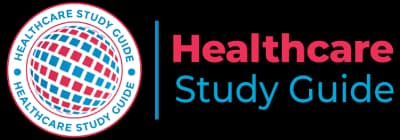
      • year-1-1

        Year 1

        250+ Exam Prep Questions
        $39
        Order Now Download Sample Book
      • year-2-1

        Year 2

        250+ Exam Prep Questions
        $39
        Order Now Download Sample Book
      • year-3-1

        Year 3

        250+ Exam Prep Questions
        $39
        Order Now Download Sample Book
      • year-4-1

        Year 4

        250+ Exam Prep Questions
        $39
        Order Now Download Sample Book
      • all-years-explained-answers

        All years - Explained Answers

        1000 Exam Prep Questions
        $139
      Questions & Answers

      Quick and easy practice to test your knowledge anytime, anywhere—ideal for simple, on-the-go preparation.
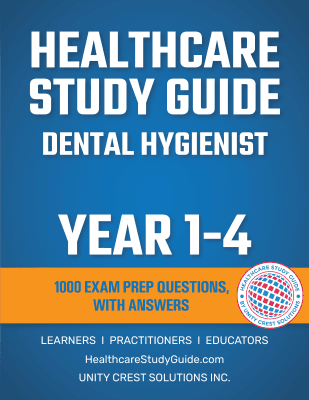
      • year-1

        Year 1

        250+ Exam Prep Questions
        $19
        Order Now Download Sample Book
      • year-2

        Year 2

        250+ Exam Prep Questions
        $19
        Order Now Download Sample Book

      Evaluate Your Experience
      Test Access Here

      Take Online Test
    • year-3

      Year 3

      250+ Exam Prep Questions
      $19
      Order Now Download Sample Book
    • year-4

      Year 4

      250+ Exam Prep Questions
      $19
      Order Now Download Sample Book
    • all-years

      All years

      250+ Exam Prep Questions
      $59