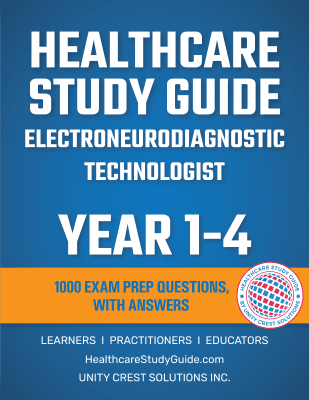
Questions, Answers, & Explanations
Get clear explanations behind every answer, perfect for deeper learning and more thorough exam preparation.

An Electroneurodiagnostic Technologist (EEG Tech) is a healthcare professional who specializes in performing tests and procedures that monitor and record the electrical activity of the brain, typically using an Electroencephalogram (EEG). EEG Techs play a critical role in diagnosing neurological conditions such as epilepsy, sleep disorders, and brain injuries, among others. With the increasing demand for specialized care in neurology, EEG Techs are essential in providing physicians with accurate data to develop treatment plans for patients.
In today’s healthcare system, the role of the EEG Technologist is growing in importance, as neurological conditions become more prevalent and early diagnosis is vital. EEG Techs work with patients of all ages, providing non-invasive procedures that assist in diagnosing and monitoring brain activity. Whether working in a hospital, clinic, or research setting, EEG Techs have a direct impact on the well-being and care of individuals with neurological disorders.
Key Responsibilities
As an EEG Tech, your primary duties revolve around performing EEG tests and assisting in the diagnosis and treatment of neurological conditions. Here are the key responsibilities:
Required Skills & Traits
To excel as an EEG Tech, certain skills and personal traits are essential. Here are some key characteristics needed in the profession:
Industries & Work Environments
EEG Technologists work in various settings where brain activity is monitored and analyzed. Here are some common work environments:
Why Choose This Career?
Choosing a career as an EEG Technologist offers several advantages that make this profession highly rewarding:
What to Expect on the Exam
To become a certified Electroneurodiagnostic Technologist (EEG Tech), you must pass an industry-recognized certification exam, such as those offered by the American Board of Registration of Electroencephalographic and Evoked Potential Technologists (ABRET) in the United States or equivalent organizations in Canada. This certification ensures that you have the knowledge and skills necessary to perform EEG tests accurately and competently.
The EEG Tech Certification Exam is designed to assess your ability to perform and analyze electroencephalographic procedures and to ensure that you understand the clinical applications and safety protocols associated with the role. The purpose of this exam is to confirm your competency in performing EEG procedures, interpreting results, and understanding the underlying medical conditions that may require EEG testing.
Exam Format
The EEG Tech Certification Exam typically follows a well-defined format that includes multiple-choice questions, some of which may also feature case scenarios. Here’s a breakdown of the exam’s structure:
Core Topics Covered
The EEG Tech Certification Exam covers a range of topics related to neurodiagnostic procedures. Here are the core topics you can expect to see on the exam:
Passing Requirements
To pass the EEG Tech Certification Exam, you must achieve a score that meets the threshold set by the certifying body. Generally, a passing score is determined by a scaled percentage. For most EEG certification exams, the passing score is around 70%. This means you need to correctly answer approximately 70% of the questions on the exam. If you do not meet the passing score, you may retake the exam after the required waiting period.
Study Tips & Strategies
To help you succeed on the EEG Tech Certification Exam, here are the top five strategies for preparation:
Common Question Types
To succeed in the Electroneurodiagnostic Technologist (EEG Tech) certification exam, you must familiarize yourself with various question types that test your understanding of both theoretical knowledge and practical application. The exam will likely include the following types of questions:
These question types assess your ability to recall important information, apply your knowledge to real-life situations, and understand clinical scenarios common in the field of electroencephalography.
Example Questions
To give you a better idea of what to expect, here are a couple of sample questions based on the common question types:
Q1. What is the primary purpose of performing an EEG test on a patient?
A. To measure the electrical activity of the heart
B. To evaluate brain wave patterns and detect abnormalities
C. To determine lung function
D. To monitor blood pressure fluctuations
Correct Answer: B. To evaluate brain wave patterns and detect abnormalities
Rationale: EEG is used to monitor and measure the electrical activity in the brain. It helps diagnose neurological disorders, such as epilepsy, sleep disorders, and brain injuries. Other options are related to different diagnostic tests.
Q2. [Select All That Apply] Which of the following are common causes of abnormal EEG readings?
Sleep deprivation
Alcohol consumption
High blood pressure
Seizures
Correct Answers: Sleep deprivation, Alcohol consumption, Seizures
Rationale: Abnormal EEG readings can be triggered by various factors. Sleep deprivation and alcohol consumption are known to affect brain wave patterns, and seizures often produce distinct EEG patterns. High blood pressure is not typically a direct cause of abnormal EEGs.
Practice Strategies
To maximize your chances of passing the EEG Tech Certification Exam, consider implementing these effective practice strategies:
Typical Responsibilities
As an Electroneurodiagnostic Technologist (EEG Tech), your role will revolve around monitoring and recording electrical activity in the brain to assist in diagnosing and treating neurological conditions. Here's a typical day for an EEG Tech:
Morning Routine
Midday Activities
End-of-Day Wrap-Up
Tools & Equipment Used
As an EEG Tech, you will use a variety of specialized tools and equipment to perform your duties efficiently. Some of the essential tools include:
Challenges & Rewards
Challenges
Rewards
Career Progression
As an Electroneurodiagnostic Technologist (EEG Tech), your career will evolve with experience, further education, and specialization. Here’s a breakdown of typical career progression:
Entry-Level Roles
At the start of your career as an EEG Tech, you’ll typically begin in entry-level positions, learning the basics of the job under the supervision of senior technologists or healthcare professionals. These roles generally involve:
This foundational experience is crucial for advancing in the field and developing proficiency in more complex procedures.
Mid-Level & Specialized Roles
With a few years of experience, you may progress to more specialized positions where you take on a broader range of responsibilities. These roles include:
In these roles, you will continue to expand your knowledge of advanced EEG techniques, and gain the necessary experience to handle intricate medical cases.
Advanced Positions
At the top of the career ladder, EEG Techs can take on advanced positions that involve greater responsibility, leadership, and specialized expertise. These roles can include:
Specialization Opportunities
As an EEG Tech, there are several ways to further specialize your career, allowing you to work in specific areas of neuroscience and patient care. Some of the most common specializations include:
These specializations will not only increase your expertise but may also lead to higher-paying positions and more diverse career opportunities.
Leadership & Non-Clinical Options
While the technical side of EEG technology is rewarding, there are also several leadership and non-clinical opportunities for those who want to move beyond direct patient care.
These leadership and non-clinical paths offer great opportunities for career growth, personal fulfillment, and higher income potential.
As an Electroneurodiagnostic Technologist (EEG Tech), your earning potential is influenced by several factors, including experience, location, education, and specialization. Here's an overview of the wage expectations in both Canada and the United States.
2024 National Averages
By Region: Canada (per hour)
Salaries for EEG Techs can vary significantly depending on where you work. Here’s a look at the pay range in different provinces and territories in Canada:
As expected, remote and northern regions such as Nunavut tend to offer higher wages to compensate for the cost of living and the challenges of working in more isolated locations.
United States (per year)
In the U.S., salary ranges are influenced by state, with some states offering significantly higher wages due to demand or cost of living. Here’s a breakdown of annual salaries by state:
States like California and Hawaii lead in wages, primarily due to high living costs and the demand for skilled healthcare workers in those regions.
Factors Influencing Wages
Several factors contribute to the variation in wages for EEG Technologists. Understanding these factors can help you navigate your career path and maximize your earning potential:
As an Electroneurodiagnostic Technologist (EEG Tech), having the right tools, resources, and ongoing education is essential for your success and professional development. This page outlines key tools, recommended study materials, continuing education options, and professional associations to help you thrive in your career.
Essential Tools
In your role as an EEG Tech, you'll use a variety of tools and equipment to perform your duties. Here’s a list of some of the most commonly used tools in the field:
Recommended Study Materials
To succeed in your certification exam and stay current with the evolving field of neurodiagnostics, the following study materials are recommended:
Continuing Education Options
As a healthcare professional, staying updated with the latest advancements is essential. Continuing education ensures that you remain at the forefront of your field. Consider the following options:
Professional Associations
Networking with professionals in the field and joining industry-specific associations can provide invaluable support, education, and career advancement opportunities. Here are some top organizations for EEG Technologists:
Electroneurodiagnostic (END) Technologists, commonly known as EEG Techs, are specialized healthcare professionals who monitor and record electrical activity in the brain and nervous system. Their work supports the diagnosis of neurological conditions such as epilepsy, sleep disorders, and brain injuries. To enter this dynamic field, aspiring EEG Techs can pursue several educational pathways, from entry-level diplomas to advanced degrees. Here's what you need to know.
Entry-Level Education Paths
Most END Technologists begin their careers with a focused postsecondary program. Entry-level education typically includes hands-on clinical training and foundational coursework in neuroanatomy, physiology, and electrophysiology.
Advanced Degrees
While a master's or doctorate is not required to practice as an EEG Tech, those seeking leadership, teaching, or advanced clinical roles might consider the following:
Bridge Programs
While specific EEG Tech bridge programs are limited, individuals from related healthcare backgrounds can transition into the field more easily:
Online & Hybrid Options
Due to the hands-on nature of the work, most END programs require in-person clinical training. However, hybrid and online components are increasingly common, particularly for theory and general education courses.
These flexible options are ideal for working students or those in remote areas.
Financial Aid & Scholarships
Financing your education is an important consideration. Many options are available to help manage tuition and training costs:
Find the Best Education Path for You
Whether you're just beginning or planning to advance your career, our Healthcare Study Guide platform helps you explore programs, prepare for certification exams, and stay competitive in the field.
Electroneurodiagnostic Technologists (EEG Techs) play a vital role in diagnosing neurological conditions through the monitoring and analysis of brain and nervous system activity. As the healthcare industry evolves, unions, employers, and job resources all significantly impact the career landscape for EEG Techs. Whether you're entering the field or looking to grow within it, understanding these factors will help guide your professional path.
Why Unions Matter
Unions can provide essential support for EEG Techs working in hospitals, sleep centers, or neurological clinics. By advocating for worker rights, unions help secure better working conditions and offer long-term benefits that make a major difference in career satisfaction and stability.
Top Unions for EEG Techs
EEG Techs are frequently represented by healthcare unions that include allied health professionals in their membership. These unions advocate for fair wages, benefits, and workplace protections.
Canada
United States
Top Employers for EEG Techs
EEG Techs are in demand across many healthcare settings. Your choice of employer can shape your career growth, work-life balance, and earning potential.
Job Boards & Hiring Resources
Finding the right EEG Tech position requires knowing where to look. These resources regularly feature job openings:
Stand Out with the Healthcare Study Guide
Job competition is fierce—but with the Healthcare Study Guide, you can master the key concepts, refine your resume, and prepare for interviews with confidence. From foundational knowledge to advanced test prep, we’ve got the tools to get you hired faster.
The field of Electroneurodiagnostic Technology is evolving rapidly. EEG Techs are no longer limited to traditional neurology labs—they’re now vital players in telemedicine, neurocritical care, and AI-enhanced diagnostics. As healthcare systems expand their focus on brain health, the role of EEG Techs is becoming increasingly essential. Staying informed on trends, certifications, and professional growth opportunities will help you stay competitive and prepared for the future.
Emerging Trends
Several industry-wide shifts are influencing how EEG Techs work and where their skills are needed most. Understanding these trends can help guide your career development:
In-Demand Certifications
Certifications can boost your credibility and open doors to specialized roles. These credentials are increasingly sought after in hospitals, research facilities, and private practices:
Professional Development
Staying current in the field requires ongoing learning and networking. These resources help EEG Techs expand their skills and grow their careers:
Workplace Challenges & Opportunities
Like many healthcare roles, EEG Techs face a mix of challenges and exciting opportunities:
Stay Ahead with the Healthcare Study Guide
The field is changing fast. Whether you're upgrading your skills, studying for certification, or looking to specialize, the Healthcare Study Guide helps you stay one step ahead. Our tools and resources are designed to future-proof your career and keep you competitive.
Get clear explanations behind every answer, perfect for deeper learning and more thorough exam preparation.
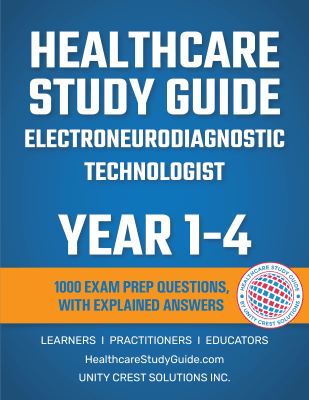
Quick and easy practice to test your knowledge anytime, anywhere—ideal for simple, on-the-go preparation.