Site Updates in Progress: Things might look different as we work on enhancing your experience.

Healthcare
    • Board of Directors
    • Board of Directors
  • Contact Us
  • Login
Healthcare
  • Home
  • Study Guides
    Study Guides
    • Practice Tests
      Practice Tests
      • Resources
        Resources
        • Board of Directors
          Board of Directors
          • Board of Directors
      • Contact Us

      Access top-tier trade education from anywhere in America—flexible, affordable, and digitally powered. Proudly American owned and operated.

      Useful Links

      • Home
      • Board of Directors
      • Blogs
      • Videos
      • Contact Us

      Study Guides

      • ABG Analysis & Blood Gas Interpretation
      • Acid-Base Balance & Fluid & Electrolyte Balance
      • Anatomy & Physiology Basics
      • Assignment, Delegation & Supervision
      • Basic Life Support (BLS) & Emergency Interventions
      • Blood Transfusion Protocols
      • Cardiovascular Medications & Safety Protocols
      • Cardiovascular System
      • Chest Pain
      • Community Health & Public Health Nursing
      • Critical Care Nursing & Emergency Response
      • Cultural Competence & Inclusive Nursing Practice
      • Dental Hygienist
      • Dermatology Nurse
      • Diabetes Educator
      • Diagnostic Medical Sonographer
      • Dialysis Technician
      • Dietitian
      • Digestive & Gastrointestinal System
      • Disaster & Emergency Preparedness
      • Documentation & Charting Best Practices
      • Drug Calculations & Medication Administration
      • Electrolyte Imbalances & Interventions
      • Electroneurodiagnostic Technologist (EEG Tech)
      • Emergency Medical Technician
      • Emergency Room Nurse
      • End-of-Life Care & Hospice Nursing
      • Endocrine System & Hormonal Regulations
      • Endoscopy Technician
      • Epidemiologist
      • Ethics & Legal Aspects in Nursing
      • Evidence-Based Practice & Research in Nursing
      • Exercise Physiologist
      • Family Nurse Practitioner
      • Fertility Specialist
      • Flight Nurse
      • Forensic Nurse
      • Gastroenterology Technician
      • General Practitioner
      • Genetic Counselor
      • Geriatric & Long-Term Care Nurse
      • Head Injury & Increased Intracranial Pressure
      • Health Equity & Social Determinants of Health
      • Health Information Manager
      • Health Promotion & Disease Prevention
      • Healthcare Consultant
      • Healthcare Informatics & Data Security
      • Hematologic System
      • Hemodialysis Nurse
      • Home Health Aide
      • Hormonal Imbalances & Crisis Management
      • Hospice Nurse
      • Hospital Administrator
      • Hyperbaric Technician
      • IV Therapy & Central Line Management
      • Immune System & Infectious Diseases
      • Immunologist
      • Infection Control & Isolation Precautions
      • Infection Control Specialist
      • Infection Prevention & Control Measures
      • Intensive Care Unit
      • Interdisciplinary Team Collaboration
      • Interventional Radiology Technologist
      • Lab Values & Diagnostic Testing
      • Laboratory Technician
      • Lactation Consultant
      • Legal Case Studies in Nursing Practice
      • Licensed Practical Nurse
      • Long-Term Care Nurse
      • MRI Technician
      • Maternal-Newborn Complications & High-Risk Pregnancy
      • Medical Assistant
      • Medical Coder & Biller
      • Medical Equipment Repairer
      • Medical Ethicist
      • Medical Ethics & Patient Safety
      • Medical Illustrator
      • Medical Laboratory Scientist
      • Medical Physicist
      • Medical-Surgical Nursing (Acute & Chronic Conditions)
      • Mental Health Counselor
      • Midwife
      • Multisystem Organ Failure & Shock
      • Musculoskeletal System & Mobility Disorders
      • Neonatal & Newborn Nursing
      • Neonatal Nurse
      • Nephrology Nurse
      • Neurological System (Brain, Spinal Cord, Nervous System Disorders)
      • Neuroscientist
      • Neurosurgery Technician
      • Nuclear Medicine Technologist
      • Nurse Practitioner
      • Nutrition & Diet Therapy
      • Nutritionist
      • Occupational Therapist
      • Operating Room Nurse
      • Ophthalmic Technician
      • Optometrist
      • Orthopedic Nurse
      • Pain Management & Palliative Care
      • Paramedic
      • Patient Advocacy & Informed Consent
      • Pediatrics & Maternity (Obstertrics,Prenatal,Postpartum Care)
      • Pharmacist
      • Pharmacology & Medications by Body System
      • Phlebotomists
      • Physical Therapist
      • Physician Assistant
      • Professional Boundaries & Ethics in Practice
      • Professional Nursing Concepts (Delegation, Leadership, Communication)
      • Prosthetist
      • Psychiatric & Mental Health Nursing
      • Psychiatric Nurse Practitioner
      • Pulmonologist
      • Quality Improvement & Risk Management
      • Radiation Therapist
      • Radiologic Technician
      • Registered Nurse
      • Rehabilitation Nurse
      • Renal & Urinary System
      • Reproductive Endocrinologist
      • Respiratory Emergencies & Ventilation
      • Respiratory System & Oxygenation
      • Respiratory Therapist
      • Rheumatology Nurse
      • Sepsis Management
      • Skin, Integumentary System & Burns
      • Sleep Technologist
      • Sonographer
      • Speech-Language Pathologist
      • Spine Specialist
      • Sports Medicine Nurse
      • Sterile Processing Technician
      • Stroke Recognition & Nursing Care
      • Substance Abuse Counselor
      • Surgical & Perioperative Nursing
      • Surgical Technologist
      • Technology in Patient Monitoring
      • Telehealth & Virtual Care in Nursing
      • Telemedicine Specialist
      • Tissue Bank Specialist
      • Toxicologist
      • Transplant Nurse
      • Trauma Nurse
      • Trauma-Informed Care in Nursing
      • Travel Nurse
      • Wound Care & Pressure Injuries

      Contact Us

      info@healthcarestudyguide.com

      ©2026 ALL RIGHTS RESERVED. Unity Crest Solutions Inc.

      Your browser does not support the video tag.
      HomeCourses
      Dermatology Nurse
      Buy Now

      Dermatology Nurse Healthcare Study Guide

      What is a Dermatology Nurse?

      A Dermatology Nurse is a registered nurse (RN) specializing in the care and treatment of patients with skin conditions. They work closely with dermatologists to manage and treat various skin diseases, from common conditions like acne to more complex issues like melanoma and psoriasis. Dermatology Nurses provide both clinical care and patient education, helping individuals manage their skin health and navigate treatments such as topical therapies, systemic medications, and cosmetic dermatology procedures.

      Key Responsibilities

      Dermatology Nurses have a diverse range of duties, including:

      • Patient Assessment: Conducting thorough assessments of patients’ skin conditions, including physical exams, history-taking, and understanding symptoms.
      • Treatment Administration: Administering prescribed treatments such as topical medications, phototherapy, and other dermatological procedures.
      • Wound Care: Managing and dressing wounds resulting from surgery or skin conditions like ulcers or burns.
      • Patient Education: Teaching patients how to care for their skin, understand treatment options, and prevent exacerbation of skin conditions.
      • Collaborating with Dermatologists: Assisting dermatologists during procedures such as biopsies, laser treatments, and Mohs surgery.
      • Follow-up Care: Monitoring the progress of patients undergoing long-term dermatologic treatments and adjusting care plans as necessary.
      • Cosmetic Dermatology Support: Assisting with non-invasive procedures such as Botox injections, chemical peels, and laser treatments.

      Required Skills & Traits

      To excel as a Dermatology Nurse, individuals should possess the following skills and traits:

      • Clinical Expertise: Strong knowledge of dermatological conditions and treatments, including pharmacology and advanced dermatologic techniques.
      • Attention to Detail: Accuracy in assessing and documenting skin conditions, monitoring changes, and administering treatments.
      • Compassion & Empathy: The ability to provide emotional support to patients dealing with chronic skin conditions or cosmetic concerns.
      • Communication Skills: Ability to explain complex medical information to patients and work collaboratively with other healthcare professionals.
      • Problem-Solving: Developing individualized care plans for patients with varying dermatologic needs.
      • Aesthetic Sensibility: Understanding the cosmetic concerns of patients, especially those receiving treatments like Botox or laser therapy.

      Industries & Work Environments

      Dermatology Nurses work in a variety of settings, including:

      1. Private Dermatology Clinics: Providing specialized care in outpatient settings, offering a wide range of dermatology services from basic care to cosmetic procedures.
      2. Hospitals & Medical Centers: Working in dermatology departments or specialized skin care units, offering care for patients with acute or complex conditions.
      3. Cosmetic Dermatology Centers: Assisting with non-invasive aesthetic treatments and cosmetic procedures.
      4. Research Institutions: Involved in clinical trials and studies related to new dermatology treatments or skincare products.
      5. Home Care & Long-Term Care Facilities: Providing care for patients with chronic dermatologic conditions requiring ongoing management and treatment.
      6. Telemedicine: Offering virtual consultations and follow-up care for patients seeking dermatologic advice or treatment remotely.

      Why Choose This Career?

      A career as a Dermatology Nurse offers numerous benefits, including:

      • High Demand & Job Security: Dermatology care is increasingly sought after, especially with the rise in skin cancer cases and interest in cosmetic dermatology.
      • Competitive Salary & Benefits: Dermatology Nurses typically earn competitive wages, with opportunities for bonuses, comprehensive benefits, and retirement plans.
      • Career Flexibility & Specializations: Opportunities to specialize in areas like cosmetic dermatology, pediatric dermatology, or dermatology nursing research.
      • Opportunities for Advancement: Dermatology Nurses can advance to roles such as Nurse Practitioner, Clinical Nurse Specialist, or Dermatology Nurse Educator.
      • Personal Fulfillment: Helping patients improve their skin health, manage chronic conditions, and feel more confident about their appearance is incredibly rewarding.

      Ready to Start Your Dermatology Nurse Journey?

      Prepare for your Dermatology Nurse Certification Exam with our structured study guides, practice questions, and online tests designed to ensure your success in this rewarding specialty. Explore Study Materials Now

      What to Expect on the Dermatology Nurse Certification Exam

      To become a Dermatology Nurse, candidates must pass the Dermatology Nurse Certification Exam, which evaluates a nurse's expertise in dermatology, patient care, and the management of various skin conditions. This exam, offered by the Dermatology Nursing Certification Board (DNCB), is designed to ensure that dermatology nurses have the knowledge and skills necessary to deliver high-quality care to patients with diverse dermatological needs.

      Exam Format & Structure

      The Dermatology Nurse Certification Exam is structured to assess candidates' proficiency in dermatologic nursing practice across various domains. The exam consists of multiple-choice questions and is administered in a timed format.

      • Number of Questions: 150
      • Time Limit: 3 hours (including breaks)
      • Question Types:
        • Multiple-choice questions (single-answer)
        • Scenario-based questions
        • Case studies
        • Select all that apply (SATA)
      • Scoring: Pass/Fail based on the candidate’s ability to demonstrate competence across key areas of dermatology nursing.
      • Retake Policy: Candidates can retake the exam after a 30-day waiting period, up to 2 times per year.

      Key Topics Covered

      The Dermatology Nurse Certification Exam covers several core areas of dermatology nursing practice, ensuring that candidates are well-prepared to manage a range of skin conditions effectively.

      1. Dermatologic Assessment & Diagnosis (30–35%)
        • Performing detailed skin assessments, including history-taking and physical exams
        • Recognizing dermatologic conditions, such as eczema, acne, and melanoma
        • Identifying risk factors for skin diseases and interpreting laboratory results
      2. Patient Care & Management (30–35%)
        • Administering dermatologic treatments, including topical and systemic therapies
        • Managing chronic skin conditions such as psoriasis, rosacea, and dermatitis
        • Monitoring and educating patients on proper skin care and medication adherence
      3. Wound Care & Healing (10–15%)
        • Assessing and managing chronic wounds, ulcers, and post-surgical healing
        • Applying dressings and utilizing advanced wound care products
        • Educating patients on wound management techniques and hygiene
      4. Cosmetic Dermatology (10–15%)
        • Assisting with non-invasive cosmetic procedures such as Botox, chemical peels, and laser treatments
        • Understanding aesthetic dermatology, patient expectations, and pre- and post-treatment care
      5. Infection Control & Safety (10–15%)
        • Maintaining proper infection control practices when handling dermatologic procedures and treatments
        • Preventing cross-contamination and managing potential complications in dermatologic care
        • Following best practices for sanitation, sterilization, and patient safety

      Passing Requirements

      The Dermatology Nurse Certification Exam uses a standard passing threshold to assess a candidate’s readiness. The exam is scored on a pass/fail basis, with candidates expected to demonstrate competency across all key areas of dermatologic nursing.

      • Pass: Demonstrating consistent competency across all domains of dermatology nursing.
      • Fail: If the candidate does not meet the competency standards or exhausts the maximum number of questions without achieving the required competency level.

      Study Tips & Strategies

      1. Understand the Exam Format
        • Familiarize yourself with the question types and the timed structure of the exam.
        • Practice answering different question formats to get comfortable with the material.
      2. Develop a Study Plan
        • Allocate 6–8 weeks of study time, focusing on high-priority areas such as dermatologic assessment, patient care management, and wound care.
        • Review essential concepts such as treatment protocols, skin condition symptoms, and patient safety guidelines.
      3. Use Effective Study Materials
        • Q&A Study Guides: Practice questions with detailed explanations to reinforce your knowledge.
        • Dermatology Nurse Prep Courses: Consider enrolling in specialized prep courses, offered online or in-person.
        • Flashcards & Mnemonics: Aid in memorizing key dermatological facts, treatment protocols, and clinical guidelines.
      4. Practice Critical Thinking
        • Focus on case studies and scenario-based questions to sharpen your clinical decision-making.
        • Apply your knowledge to practice with real-life dermatological scenarios, considering various treatment options and patient factors.
      5. Take Full-Length Practice Exams
        • Simulate the real exam environment by taking timed practice exams.
        • Review incorrect answers to understand why certain responses were wrong and improve for the actual exam.
      6. Manage Test Anxiety
        • Use relaxation techniques like deep breathing or visualization exercises before the exam.
        • Ensure you are well-rested, maintain a balanced diet, and manage stress effectively leading up to the exam.

      Final Thoughts

      Passing the Dermatology Nurse Certification Exam is an important step in advancing your career as a Dermatology Nurse. By preparing with a structured study plan and using high-quality resources, you can confidently approach the exam and build a successful career in dermatology nursing.

      Ready to Ace Your Dermatology Nurse Certification Exam? Our study guides provide 250 practice questions, detailed explanations, and practice tests to help you succeed. Get started today!
      Explore Study Materials Now

      Be Exam-Ready with the Right Question Practice

      The Dermatology Nurse Certification Exam is designed to assess your clinical knowledge, decision-making, and ability to deliver safe, evidence-based care in dermatological settings. To pass, you’ll need more than textbook memorization—you’ll need to master how to apply knowledge in real-world scenarios. This page will walk you through the question formats, provide sample questions with rationales, and offer effective study strategies so you can prepare with confidence.

      Common Question Types on the Dermatology Nurse Exam

      To help you succeed, familiarize yourself with the structure and variety of questions on the exam:

      1. Multiple-Choice Questions (MCQs)

      • Standard format with four answer options.
      • Measures knowledge in diagnosis, treatment, safety, and patient education.

      Example:
      A 55-year-old patient with a history of sun exposure presents with a new, irregular mole on his back. The nurse suspects melanoma. What is the most appropriate next step?
      A) Recommend the patient apply sunscreen daily
      B) Advise the patient to monitor the mole for changes
      C) Educate the patient on moisturizing techniques
      D) Perform a biopsy to confirm the diagnosis
      Rationale: A biopsy is required to definitively diagnose melanoma, especially given the risk factors and irregular appearance.

      2. Select All That Apply (SATA)

      • Requires choosing all correct options.
      • Tests understanding of multifactorial conditions or nursing interventions.

      Example:
      Which of the following are risk factors for developing pressure ulcers in immobile patients?
      A) Poor nutrition
      B) Incontinence
      C) Regular repositioning
      D) High protein intake
      Rationale: Poor nutrition and incontinence are risk factors; regular repositioning and high protein intake help prevent ulcers.

      3. Fill-in-the-Blank

      • Common for treatment protocols, terminology, or dosage calculations.

      Example:
      A patient with psoriasis requires phototherapy. The nurse should apply _______ UV light to affected skin.
      Correct Answer: Narrowband UVB
      Rationale: Narrowband UVB is a widely used, evidence-based treatment for moderate to severe psoriasis.

      4. Ordered Response (Prioritization)

      • Requires placing actions in the correct sequence, testing clinical reasoning.

      Example:
      Place the following in correct order when treating a patient with acute cellulitis:
      A) Administer IV antibiotics
      B) Elevate the limb
      C) Monitor vital signs
      D) Apply warm compresses
      Correct Order: A → C → B → D
      Rationale: Immediate infection control (antibiotics), followed by vitals, limb elevation, and comfort measures.

      5. Hotspot Questions

      • Involves clicking on specific locations on an image.
      • Often used for identifying skin lesions or application areas.

      Example:
      Identify the correct area for applying corticosteroid cream to a child with eczema.
      (Interactive diagram showing common eczema locations like behind knees or inside elbows.)

      6. Case Study & Clinical Judgment

      • Scenario-based series of questions focused on clinical decision-making.

      Example Case:
      A 40-year-old with atopic dermatitis presents with itchy, inflamed elbows and knees after using a new cream.
      Q1: What’s the likely cause of the flare-up?
      Answer: Allergic reaction to new cream
      Q2: What’s the first management step?
      Answer: Discontinue cream and start topical corticosteroids
      Rationale: Removing the allergen and initiating standard treatment is the safest and most effective first step.

      Practice Strategies to Maximize Results

      Consistent practice is the cornerstone of exam success. Use these proven strategies to reinforce your knowledge:

      1. Use a Variety of Question Types

      • Don’t just stick to multiple choice—prioritization and case-based questions assess higher-level thinking.
      • Rotate question formats to strengthen flexibility and adaptability.

      2. Simulate Exam Conditions

      • Take timed practice tests to get comfortable with pacing and reduce test-day anxiety.
      • Complete 75–100 questions in one session to build endurance.

      3. Review All Rationales

      • Whether you answer correctly or not, read the explanation.
      • Understanding why an answer is right or wrong deepens long-term comprehension.

      4. Focus on High-Yield Concepts

      • Pay extra attention to dermatology topics like eczema, psoriasis, skin cancer, wound care, and infection management.
      • Know your ABCDEs of melanoma, pressure injury staging, and skin pharmacology.

      5. Master Test-Taking Techniques

      • Use nursing frameworks like the Nursing Process or Maslow’s Hierarchy to prioritize care.
      • Watch for keywords in questions such as “first,” “most appropriate,” or “priority action.”

      Final Thoughts: Practice with Purpose

      The Dermatology Nurse Certification Exam tests more than memorization—it evaluates your readiness to think critically, prioritize care, and apply clinical knowledge to dermatology-specific scenarios. By consistently practicing question types like SATA, case-based vignettes, and prioritization problems, you'll improve both your confidence and your competence.

      What Is It Like to Work as a Dermatology Nurse?

      A career as a Dermatology Nurse is both rewarding and fast-paced, offering a mix of clinical care, patient education, and hands-on involvement with skin-related treatments. These nurses work in settings such as dermatology clinics, outpatient centers, private practices, and hospitals. They care for patients dealing with medical conditions like eczema, acne, psoriasis, rosacea, and skin cancers, as well as those seeking cosmetic dermatology services. Dermatology Nurses play a vital role in both diagnosis and treatment, blending technical knowledge with a compassionate, patient-centered approach.

      Morning Routine: Starting the Day

      The day typically begins with a team huddle or a quick review of the schedule and patient charts. The nurse prepares for upcoming procedures, checks inventory, and readies treatment rooms. Morning responsibilities may include:

      Patient Consultations

      • Reviewing patient history and current concerns.
      • Assessing skin health and documenting symptoms.
      • Gathering vitals and prepping for procedures.

      Assisting in Procedures

      • Supporting dermatologists during skin biopsies, cryotherapy, excisions, and laser treatments.
      • Administering injections like corticosteroids or cosmetic treatments (e.g., Botox).
      • Educating patients on post-procedure care and medication use.

      Charting & Documentation

      • Recording symptoms, treatments, and follow-up plans in Electronic Health Records (EHR).
      • Ensuring all notes are updated accurately for continuity of care.

      Team Collaboration

      • Consulting with dermatologists, surgical assistants, and care coordinators.
      • Attending morning rounds to discuss complex cases and modify treatment plans as needed.

      Midday Responsibilities: Clinical Care & Education

      As the day continues, the Dermatology Nurse engages in more hands-on care and ongoing patient education. This part of the day often includes:

      Patient Education

      • Teaching patients about managing chronic skin conditions like acne, psoriasis, and rosacea.
      • Providing skincare and sun protection recommendations.
      • Demonstrating how to properly apply topical treatments and medications.

      Follow-Up Assessments

      • Monitoring wound healing after biopsies or minor surgeries.
      • Checking for signs of infection, scarring, or adverse reactions.
      • Performing routine skin checks, especially for patients at risk of skin cancer.

      Advanced Treatments

      • Assisting with laser therapy, chemical peels, phototherapy, and cosmetic treatments.
      • Managing patient comfort during procedures with numbing agents or emotional support.

      Evening Wrap-Up: Closing Out the Day

      In the final hours of the shift, the focus shifts toward ensuring all patient care is wrapped up and preparing for the next day. Evening tasks typically include:

      Final Consultations

      • Addressing any last-minute patient needs or concerns.
      • Confirming prescriptions, care instructions, and follow-up appointments.
      • Referring patients to other specialists if advanced care is needed.

      Shift Handoffs

      • Communicating with incoming staff about patient progress or urgent updates.
      • Sharing critical information on post-procedure care and medication changes.

      Record Finalization

      • Finalizing notes in the EHR.
      • Organizing charts for the next day's appointments and prepping materials.

      Tools & Equipment Used by Dermatology Nurses

      Dermatology Nurses rely on specialized equipment to diagnose and treat a wide range of skin conditions. Common tools include:

      • Dermatoscope – Used to examine moles and lesions for signs of malignancy.
      • Cryotherapy Devices – Used to freeze off warts, precancerous growths, or skin tags.
      • Topical Medications & Dressings – For treating wounds, eczema, burns, or psoriasis.
      • Minor Surgical Instruments – Scalpels, curettes, and forceps for excisions or biopsies.
      • Laser Therapy Equipment – Used in procedures like hair removal, tattoo removal, and scar revision.
      • Electronic Health Records (EHR) – For efficient and accurate documentation.
      • Skin Imaging Tools – High-resolution cameras and software for tracking changes in moles and skin conditions.

      Workplace Challenges & Rewards

      Challenges

      • High Patient Volume: Managing time and staying efficient with a full schedule can be demanding.
      • Emotional Sensitivity: Patients often feel self-conscious or anxious about skin conditions or cosmetic concerns.
      • Complex Procedures: Many treatments require technical skill, precision, and continuous training.
      • Stigma: Conditions like acne or rosacea may affect mental health, requiring empathetic communication.

      Rewards

      • Life-Changing Impact: Helping patients improve their skin can boost their confidence and quality of life.
      • Career Stability: The field of dermatology is growing, offering long-term job security.
      • Specialization Opportunities: Nurses can branch into laser therapy, cosmetic dermatology, or skin oncology.
      • Patient Relationships: Ongoing care allows nurses to form lasting bonds and see patients through long-term improvements.

      Final Thoughts

      Being a Dermatology Nurse offers a unique blend of science, skill, and human connection. From assisting with cutting-edge procedures to educating patients on self-care, every day brings new challenges and the opportunity to make a visible difference in people’s lives. With the growing demand for dermatologic services, it’s a highly rewarding path for nurses passionate about skin health and wellness.

      Ready to Become a Dermatology Nurse?

      Start preparing for your certification with the Healthcare Study Guide. Get access to practice questions, mock scenarios, and expert study tips to help you feel confident and career-ready.

      What Are the Career Growth Opportunities for a Dermatology Nurse?

      A career as a Dermatology Nurse offers a rewarding and specialized path within the nursing field. Dermatology Nurses provide care in clinical settings, private practices, and medical spas, focusing on skin conditions, treatments, and procedures. With a variety of advanced certifications, specialization options, and leadership roles, there are abundant opportunities for professional development and career advancement.

      Starting Salaries & Earning Potential

      Dermatology Nurse salaries vary based on experience, education, location, and the type of facility they work in. Below is a breakdown of typical salaries for Dermatology Nurses across North America:

      Experience Level

      Salary

      Work Settings

      Common Roles

      Entry-Level Dermatology Nurse (0–2 Years)

      $55,000–$70,000 per year

      Dermatology clinics, outpatient care centers

      Staff Nurse, Dermatology Nurse

      Mid-Level Dermatology Nurse (3–7 Years)

      $70,000–$85,000 per year

      Private dermatology practices, hospitals

      Dermatology Nurse, Laser Specialist

      Advanced Dermatology Nurse (7+ Years)

      $85,000–$100,000+ per year

      Specialized dermatology clinics, medical spas

      Nurse Practitioner (Dermatology), Clinical Nurse Leader

      Top Paying Specializations

      Certain dermatology specialties offer higher earning potential due to the expertise required.

      • Dermatology Nurse Practitioner (DNP): $95,000–$120,000 USD / $110,000–$135,000 CAD
      • Cosmetic Dermatology Nurse: $85,000–$110,000 USD / $100,000–$125,000 CAD
      • Laser Dermatology Specialist: $80,000–$105,000 USD / $90,000–$115,000 CAD
      • Pediatric Dermatology Nurse: $75,000–$95,000 USD / $85,000–$105,000 CAD

      Regional Salary Differences

      Dermatology Nurse salaries can vary significantly depending on location, with urban areas and states/provinces with higher demand offering more lucrative wages.

      United States: Highest-Paying States for Dermatology Nurses (USD)

      1. California: $80,000–$100,000+
      2. New York: $75,000–$95,000+
      3. Florida: $70,000–$90,000+
      4. Texas: $65,000–$85,000+
      5. Washington: $70,000–$90,000+

      Canada: Highest-Paying Provinces for Dermatology Nurses (CAD)

      1. Ontario: $75,000–$95,000+
      2. British Columbia: $70,000–$90,000+
      3. Alberta: $70,000–$85,000+
      4. Quebec: $65,000–$80,000+
      5. Nova Scotia: $60,000–$75,000+

      Salaries are generally higher in major metropolitan areas or areas with a higher cost of living.

      Specialization & Advanced Roles

      Dermatology Nurses can increase their earnings by specializing in specific areas or taking on leadership roles.

      Clinical Specializations

      • Pediatric Dermatology Nurse: Works with children who have skin conditions such as eczema, acne, or birthmarks.
      • Cosmetic Dermatology Nurse: Specializes in aesthetic treatments such as Botox, chemical peels, and laser therapy.
      • Laser Dermatology Specialist: Operates advanced laser equipment for treatments like hair removal, skin resurfacing, and tattoo removal.
      • Mohs Surgery Nurse: Assists in skin cancer surgery, providing specialized care during and after Mohs procedures.

      Leadership & Administrative Roles

      • Dermatology Nurse Manager: Oversees nursing staff in dermatology clinics, ensuring quality care and efficient operations.
      • Clinical Nurse Leader in Dermatology: Leads teams in specialized dermatology settings, managing patient care and clinical practices.
      • Dermatology Nurse Educator: Teaches new nurses or students in academic or clinical settings, developing training programs.

      Benefits of Certification & Continuing Education

      Dermatology Nurses can significantly improve their career prospects and earning potential by pursuing certifications and continuing education.

      Benefits of Certification:

      • Increased earning potential and job security
      • Expanded job opportunities, especially in specialized areas
      • Competitive edge for promotions and leadership roles

      Popular Certifications for Dermatology Nurses:

      • Certified Dermatology Nurse (CDN): A widely recognized certification for those working in dermatology nursing.
      • Certified Aesthetic Nurse Specialist (CANS): Focuses on cosmetic dermatology and non-surgical treatments.
      • Dermatology Nurse Practitioner (DNP): For registered nurses with advanced education in dermatology.
      • Laser Certified Nurse: Certification for those specializing in laser treatments and aesthetics.

      Higher Education Pathways for Dermatology Nurses:

      • Bachelor’s Degree in Nursing (BSN): Basic requirement to become a Registered Nurse (RN).
      • Master’s Degree in Nursing (MSN): For advanced roles such as Nurse Practitioner (NP) or Clinical Nurse Leader.
      • Doctorate in Nursing Practice (DNP): For those seeking leadership or academic positions.

      Success Stories: How Dermatology Nurses Build Their Careers

      • Jennifer: Jennifer started her career as an entry-level dermatology nurse in a busy clinic. She later became certified in laser dermatology and now specializes in non-invasive facial treatments, earning a six-figure income and enjoying the flexibility of her schedule.
      • Michael: Michael worked as a dermatology nurse for several years before pursuing an advanced degree as a Nurse Practitioner. He now works in a private dermatology practice, providing advanced care, including dermatological surgeries, and enjoys a significantly higher salary.

      Why Choose Dermatology Nursing as a Long-Term Career?

      • High Demand: With growing interest in skin health and cosmetic dermatology, the need for skilled dermatology nurses is increasing.
      • Competitive Salaries: Specializations like dermatology nurse practitioners, laser specialists, and cosmetic dermatology nurses offer above-average pay.
      • Career Flexibility: Opportunities exist in clinical, leadership, cosmetic, pediatric, and research roles.
      • Professional Growth: Certifications and higher education open the door to advanced roles and higher salaries.

      Dermatology nursing offers a fulfilling career with ample opportunities for personal and financial growth, whether you’re providing patient care or advancing into leadership roles.

      Ready to Advance Your Career in Dermatology Nursing?

      Prepare for certification and career advancement with our study guides, detailed Q&A materials, and interactive online tests. Start your journey toward higher wages and professional growth today!

      How Much Can a Dermatology Nurse Earn?

      A career as a Dermatology Nurse offers competitive salaries, with significant opportunities for growth. Salaries vary based on experience, location, specialization, and work setting. Whether working in dermatology clinics, private practice, or specialized fields like cosmetic dermatology or dermatologic surgery, Dermatology Nurses can enhance their earning potential through experience, certifications, and specialization.

      General Wage Ranges for Dermatology Nurses

      Experience Level

      Hourly Wage

      Annual Salary

      Common Work Settings

      Entry-Level Dermatology Nurse (0–2 Years)

      $25–$35 USD / $30–$40 CAD per hour

      $55,000–$70,000 USD / $60,000–$80,000 CAD

      Dermatology clinics, private practices, outpatient settings

      Mid-Level Dermatology Nurse (3–7 Years)

      $35–$45 USD / $40–$50 CAD per hour

      $70,000–$90,000 USD / $80,000–$100,000 CAD

      Hospitals, private dermatology practices, specialized clinics

      Advanced Dermatology Nurse (7+ Years)

      $45–$60 USD / $50–$65 CAD per hour

      $90,000–$120,000+ USD / $100,000–$130,000+ CAD

      Medical spas, dermatology surgery centers, advanced roles in dermatology clinics

      Top Paying Specializations:

      Certain dermatology specialties tend to offer higher salaries due to the level of expertise required.

      • Dermatology Nurse Practitioner (DNP): $90,000–$120,000 USD / $100,000–$135,000 CAD
      • Cosmetic Dermatology Nurse: $85,000–$110,000 USD / $95,000–$120,000 CAD
      • Laser Dermatology Specialist: $80,000–$100,000 USD / $90,000–$115,000 CAD
      • Pediatric Dermatology Nurse: $75,000–$95,000 USD / $85,000–$110,000 CAD
      • Mohs Surgery Nurse: $85,000–$110,000 USD / $95,000–$120,000 CAD

      Salary Differences by Region

      United States: Top Paying States for Dermatology Nurses (USD)

      1. California: $80,000–$100,000+
      2. New York: $75,000–$95,000+
      3. Florida: $70,000–$90,000+
      4. Texas: $65,000–$85,000+
      5. Washington: $70,000–$90,000+

      Canada: Top Paying Provinces for Dermatology Nurses (CAD)

      1. Ontario: $75,000–$95,000+
      2. British Columbia: $70,000–$85,000+
      3. Alberta: $75,000–$90,000+
      4. Quebec: $65,000–$85,000+
      5. Nova Scotia: $60,000–$75,000+

      Salaries are generally higher in urban areas or regions with a higher cost of living, especially in major metropolitan centers or private dermatology clinics.

      Factors That Affect Dermatology Nurse Salaries

      Several factors influence a Dermatology Nurse’s earning potential:

      1. Education & Certifications
        Higher education and specialized certifications can significantly increase salary potential:
        • Registered Nurse (RN) – Entry-level qualification.
        • Bachelor’s Degree in Nursing (BSN) – Preferred for advanced roles.
        • Dermatology Nurse Practitioner (DNP) – Advanced certification that can increase earning potential.
        • Certified Aesthetic Nurse Specialist (CANS) – Certification in cosmetic dermatology can result in higher salaries.
      2. Specialization & Advanced Practice
        Dermatology Nurses who specialize in certain areas or pursue advanced certifications tend to earn higher wages:
        • Dermatology Nurse Practitioner – Advanced practice role, performing more complex tasks.
        • Cosmetic Dermatology Nurse – Specializes in non-surgical procedures like Botox, fillers, and skin rejuvenation.
        • Laser Dermatology Specialist – Operates advanced laser technology for various treatments.
      3. Work Setting & Industry
        Dermatology Nurses working in high-demand or specialized fields generally earn more:

      Industry

      Hourly Wage (USD / CAD)

      Annual Salary (USD / CAD)

      Hospitals & Clinical Settings

      $30–$45 / $35–$55

      $60,000–$85,000 / $70,000–$95,000

      Private Practice & Consultancy

      $40–$60 / $45–$70

      $80,000–$120,000 / $90,000–$140,000

      Medical Spas & Cosmetic Dermatology

      $45–$65 / $50–$75

      $90,000–$130,000 / $100,000–$150,000

      Dermatology Surgery Centers

      $50–$70 / $55–$80

      $100,000–$150,000+ / $110,000–$160,000+

      1. Experience & Career Progression
        As Dermatology Nurses gain experience, they have opportunities to move into specialized and leadership roles, increasing their salary potential:
        • Entry-Level: Staff Nurse, providing patient care and assisting with dermatologic procedures.
        • Mid-Career: Advanced roles, such as Laser Specialist or Clinical Dermatology Nurse.
        • Senior-Level: Positions like Dermatology Nurse Practitioner, Dermatology Nurse Manager, or Director of Dermatology Services.
      2. Union Membership
        Nurses in unionized environments often receive higher wages and additional benefits. Unions negotiate for better pay and working conditions, which can impact salary levels.
      3. Contract & Per Diem Work
        Dermatology Nurses working on a contract or per diem basis may earn higher hourly rates, as these roles typically offer more flexibility but fewer benefits.

      Salary Growth Over Time

      The demand for Dermatology Nurses is expected to grow steadily, with wages increasing as the need for specialized dermatology care rises.

      Projected Job Growth:

      • United States: 10% increase in dermatology nurse jobs by 2032 (faster than average)
      • Canada: Anticipated shortage of specialized dermatology nurses by 2030, leading to higher demand and wages

      Dermatology Nurses who pursue further education and certifications will experience the most significant salary growth over time.

      Opportunities for Wage Growth

      1. Earn Advanced Certifications – Certification in specialties like cosmetic dermatology, laser technology, or dermatology nurse practitioner roles can significantly boost pay.
      2. Pursue Specializations – Dermatology Nurses in niche areas like Mohs surgery, pediatric dermatology, or aesthetics can earn higher wages.
      3. Explore Leadership Roles – Moving into leadership or administrative roles, such as Dermatology Nurse Manager or Clinical Director, increases earning potential.
      4. Private Practice & Consulting – Offering dermatology services in a private setting or as a consultant provides the potential for higher earnings, especially if you build a strong client base.

      Why Dermatology Nursing Is a High-Potential Career

      • Strong Job Security: With increasing demand for dermatologic care and cosmetic treatments, the field offers strong job stability.
      • Multiple Career Paths: Opportunities exist in clinical care, cosmetic dermatology, research, and administrative roles.
      • Competitive Salaries: Advanced roles and specializations provide substantial earning potential.
      • Work-Life Balance: Many dermatology positions, particularly in private practice or consulting, offer flexible schedules.

      Dermatology nursing is a high-potential career, offering both professional fulfillment and financial growth. As a highly specialized field, it allows nurses to focus on advanced procedures, leadership roles, and other high-paying opportunities.

      Ready to Increase Your Earning Potential?

      Prepare for certification and career advancement with our study guides, detailed Q&A materials, and interactive online tests. Start your journey toward higher wages and career growth today!

      Essential Tools & Resources for Dermatology Nurses

      A career in dermatology nursing requires more than just clinical knowledge—it demands access to specialized tools, resources, and ongoing education. Whether you're a student preparing for certification or a practicing nurse looking to stay current, the right equipment and learning materials can significantly enhance both patient care and professional development.

      Essential Equipment & Supplies

      Dermatology nurses depend on a range of tools for diagnostic procedures, treatments, and daily clinical tasks. Below are key instruments and supplies every dermatology nurse should be familiar with:

      Tool

      Purpose

      Dermatoscope

      Examines skin lesions, moles, and rashes—crucial for early melanoma detection.

      Skin Biopsy Kit

      Allows for collection of skin samples for lab analysis and diagnosis.

      Cryotherapy Unit

      Freezes and removes warts, precancerous lesions, and benign growths.

      Blood Glucose Meter

      Used in monitoring patients with diabetes, a condition that impacts skin health.

      Surgical Instruments

      Scalpels, forceps, and scissors are necessary for minor skin surgeries.

      UV Lamps

      Treat conditions like psoriasis and vitiligo through phototherapy.

      Wound Care Supplies

      Dressings, saline, and bandages for managing skin wounds and post-procedure healing.

      Handheld Body Fat Analyzer

      Helps assess overall health in relation to skin conditions.

      PPE (Personal Protective Equipment)

      Ensures nurse and patient safety during procedures.

      Recommended Brands:

      • Dermatoscope: Heine Mini 3000
      • Cryotherapy: CryoPen
      • Blood Glucose Meter: Accu-Chek Guide

      Best Study Materials for Certification & Skill Building

      Dermatology nurses preparing for certification exams or furthering their education can benefit from targeted study resources. These materials offer insights into clinical practice, exam prep, and dermatologic procedures:

      Resource

      Key Features

      Dermatology Nurse Certification Guide

      Practice questions, exam strategies, and clinical scenarios.

      Clinical Dermatology

      In-depth information on skin conditions, treatments, and diagnostics.

      Medical-Surgical Nursing

      Broadens understanding of dermatologic care in acute settings.

      Wound Care Nursing

      Focused content on skin healing, infection control, and advanced dressing methods.

      Pediatric Dermatology

      Specialized guide for managing skin issues in children.

      Cosmetic Dermatology Essentials

      Covers injectables, chemical peels, and aesthetic procedures.

      Additional Learning Tools:

      • Flashcards – Great for memorizing skin disorders, medications, and terminology.
      • Online Question Banks – Offer interactive learning with real-time feedback.

      Continuing Education & Professional Development

      Keeping skills current is essential for career advancement. These platforms offer continuing education (CE) courses, webinars, and certifications tailored for dermatology nurses:

      • Dermatology Nurses’ Association (DNA) – Offers CE credits, workshops, and specialty certifications.
      • Academy of Dermatology Nursing – Training and certification renewal options.
      • American Association of Nurse Practitioners (AANP) – Dermatology-related CE for Nurse Practitioners.
      • Wound, Ostomy, and Continence Nurses Society (WOCN) – Resources for advanced wound care certification.

      Digital & Telehealth Tools

      As dermatology embraces digital care, many nurses now use telehealth and apps to streamline patient interactions and documentation.

      Tool

      Function

      Electronic Health Records (EHRs)

      Tracks patient data and supports coordinated care.

      Telehealth Platforms (Doxy.me, Teladoc)

      Conducts remote dermatology consultations.

      Medical Apps (MySkinPal, MoleScope)

      Assists patients in tracking skin changes.

      Skinsight App

      Offers clinical dermatology references and images.

      Nutrition Trackers (MyFitnessPal)

      Supports skin health through diet and hydration monitoring.

      Why It Matters:
      These digital tools improve efficiency, support remote care, and empower patients to participate in their treatment.

      Professional Associations & Networking

      Joining a professional association is a great way to stay informed, find mentors, and grow your career.

      Association

      Benefits

      Dermatology Nurses’ Association (DNA)

      CE courses, conferences, job boards, and peer connections.

      American Academy of Dermatology (AAD)

      Access to research journals, clinical updates, and networking.

      National League for Nursing (NLN)

      Offers educational resources and leadership development.

      AANP

      Certification support and dermatology CE for Nurse Practitioners.

      WOCN Society

      Training and certification for wound care in dermatology.

      International Society of Dermatology (ISD)

      International connections and educational conferences.

      Conferences & Workshops

      Attending live events keeps you informed on trends and innovations. These conferences offer CE credits and hands-on experience:

      • DNA Annual Conference – The flagship event for dermatology nurses.
      • AAD Annual Meeting – Showcases cutting-edge research and treatment updates.
      • Wound Care Conference – Covers wound management and skin integrity.
      • Cosmetic Dermatology Symposium – Ideal for nurses focused on aesthetics.
      • International Congress of Dermatology – Features global thought leaders and workshops.

      Tips for Building Your Toolkit on a Budget

      Starting out doesn’t have to be expensive. Here’s how to save:

      • Buy Used Equipment & Books – Check Amazon Marketplace, eBay, or Chegg.
      • Use Student Discounts – DNA, AANP, and others offer reduced memberships.
      • Leverage Free Platforms – Khan Academy and Open RN offer free learning materials.
      • Ask Employers for Support – Many clinics reimburse CE and certification costs.

      Why These Tools Matter

      1. Better Patient Outcomes – Accurate tools support proper diagnosis and treatment.
      2. Boosted Confidence & Competency – Ongoing learning improves performance.
      3. Career Advancement – Certifications and education open doors to promotions.
      4. Preparedness for Specialization – Tools and resources help you succeed in niche fields.

      Ready to Build Your Dermatology Nurse Toolkit?

      Start your journey with expert-curated study materials, top-rated equipment, and digital tools designed to help you excel in dermatology nursing.

      Where Can You Study to Become a Dermatology Nurse?

      Pursuing a career in dermatology nursing begins with a solid foundation in nursing education, followed by specialized training focused on skin care, dermatologic procedures, and patient management. Whether you're starting out with an associate degree or advancing through graduate-level programs, there are various educational pathways that can lead to a fulfilling and specialized career in dermatology.

      Types of Dermatology Nursing Education Programs

      Dermatology nurses typically begin as Registered Nurses (RNs) and gain specialization through certification, continuing education, or advanced degrees. Here's a breakdown of the most common educational paths:

      1. Associate Degree in Nursing (ADN)

      • Duration: 2–3 years
      • Overview: The ADN is an entry-level program that provides basic nursing knowledge, including anatomy, physiology, pharmacology, and patient care. Some clinical experiences may touch on dermatology, but specialization occurs after licensure.
      • Best For: Individuals seeking a quicker route into nursing with potential for later specialization.
      • Limitations: Less in-depth than a BSN; limited dermatology-focused content.

      2. Bachelor of Science in Nursing (BSN)

      • Duration: 4 years
      • Overview: Offers a broader and more comprehensive nursing education, with courses in leadership, research, and community health. Some BSN programs include dermatology-focused electives or clinical rotations.
      • Best For: Those seeking long-term career growth and specialization opportunities.
      • Advantages: Preferred by many employers; qualifies graduates for certifications and graduate programs.

      3. Dermatology Nursing Certification (RN-BC)

      • Duration: Varies (post-RN licensure)
      • Overview: Provided by the American Nurses Credentialing Center (ANCC), this certification demonstrates advanced knowledge in dermatology nursing. It covers conditions, treatments, and procedures such as biopsies and wound care.
      • Best For: Practicing RNs who want to officially specialize in dermatology.
      • Advantages: Enhances credibility, job prospects, and salary potential.

      4. Master of Science in Nursing (MSN)

      • Duration: 1.5–2 years
      • Overview: Graduate-level program that offers the chance to specialize in dermatology, cosmetic dermatology, or dermatologic surgery.
      • Best For: Experienced RNs looking to become Dermatology Nurse Practitioners or hold clinical leadership roles.
      • Advantages: Expands clinical scope; allows prescribing rights (depending on jurisdiction).

      5. Doctor of Nursing Practice (DNP) / PhD in Nursing

      • Duration: 3–5 years
      • Overview: The DNP is a practice-focused doctorate, while the PhD emphasizes research. Both allow for dermatology specialization through clinical residencies or dissertation focus.
      • Best For: Nurses aiming for academic, research, or executive leadership positions.
      • Advantages: Top-tier roles in education, healthcare leadership, or dermatology innovation.

      How to Choose the Right Program

      Choosing the right dermatology nursing program involves aligning your personal goals with the program’s offerings. Key factors to consider include:

      Factor

      What to Consider

      Accreditation

      Choose programs accredited by bodies like the CCNE or ACEN.

      Clinical Training

      Look for strong partnerships with dermatology clinics or hospital dermatology departments.

      Specialization Options

      Programs with electives or certifications in dermatology are ideal.

      Cost & Financial Aid

      Investigate scholarships, employer support, and loan repayment programs.

      Program Format

      Flexibility matters—consider part-time, hybrid, or fully online options.

      Top Dermatology Nursing Schools in the U.S. and Canada

      United States

      School

      Location

      Specialty

      Johns Hopkins School of Nursing

      Maryland

      Leading research and clinical dermatology education.

      UCSF School of Nursing

      California

      Strong focus on dermatologic science and care innovation.

      NYU College of Nursing

      New York

      Offers dermatology electives and diverse clinical placements.

      University of Washington

      Washington

      Community-based dermatology practice education.

      University of Pennsylvania

      Pennsylvania

      Cosmetic dermatology and advanced dermatologic procedures.

      Canada

      School

      Location

      Specialty

      University of Toronto

      Ontario

      Renowned for nursing research and dermatologic specialization.

      McGill University

      Quebec

      Strong in clinical dermatology education.

      University of British Columbia

      British Columbia

      Offers dermatology-focused clinical internships.

      University of Alberta

      Alberta

      Emphasis on chronic skin condition management.

      Dalhousie University

      Nova Scotia

      Research-focused program with a dermatology component.

      Tuition & Financial Aid Options

      Education Level

      U.S. Tuition (USD)

      Canada Tuition (CAD)

      ADN

      $6,000–$20,000

      N/A

      BSN

      $20,000–$60,000

      $10,000–$30,000

      MSN

      $25,000–$50,000

      $20,000–$40,000

      DNP / PhD

      $40,000–$100,000

      $30,000–$70,000

      Ways to Save:

      • Scholarships: Organizations like the Dermatology Nurses’ Association (DNA) offer scholarships and grants.
      • Loan Forgiveness: Programs in the U.S. offer loan forgiveness for nurses in underserved or specialty care areas.
      • Employer Support: Many hospitals and clinics provide tuition assistance for continuing education.

      Online & Hybrid Dermatology Nursing Programs

      For working professionals, online and hybrid options offer a flexible way to earn advanced degrees or certifications in dermatology nursing.

      School

      Program Type

      Flexibility

      University of North Dakota

      MSN

      Fully online for RNs

      Athabasca University

      RN-to-BSN

      100% self-paced online

      Drexel University

      MSN

      Hybrid with in-person clinicals

      University of Toronto

      MSN

      Online with flexible scheduling

      Ready to Take the Next Step?

      Dermatology nursing offers a rewarding career filled with opportunities for specialization, leadership, and clinical excellence. Whether you're just starting or ready to pursue advanced credentials, there’s a program out there tailored to your goals.

      Why Unions & Employers Matter for Dermatology Nurses

      Dermatology nursing is a specialized and growing field within healthcare, offering diverse opportunities across clinical, cosmetic, surgical, and telehealth settings. Beyond education and certification, your success as a dermatology nurse is often influenced by the support of strong unions and reputable employers. These factors contribute significantly to career satisfaction, job security, earning potential, and professional growth.

      Whether you're a new nurse entering the field or a seasoned professional seeking advancement, understanding how unions and employers can support your journey is essential to building a long-lasting and rewarding career.

      Benefits of Joining a Dermatology Nursing Union

      Nursing unions play a crucial role in advocating for fair treatment, professional support, and workplace safety. For dermatology nurses, joining a union brings several advantages:

      1. Higher Salaries & Better Benefits

      • Unionized dermatology nurses earn 10–25% more than their non-union peers.
      • Benefits typically include:
        • Paid sick leave and vacation time
        • Health, dental, and vision insurance
        • Retirement plans and pension contributions
        • Maternity/paternity leave and childcare support
        • Tuition reimbursement for continuing education

      2. Improved Working Conditions & Job Security

      • Workplace Protections: Ensures proper staffing ratios, access to personal protective equipment (PPE), and safety in procedural areas.
      • Legal Representation: Nurses have union-backed support in cases of wrongful termination, discrimination, or workplace hazards.
      • Contract Negotiations: Guarantees regular pay increases, stable hours, and clear job expectations.

      3. Career Development & Educational Support

      • Unions often offer:
        • Continuing education credits (CEs) and funding for specialty certifications.
        • Mentorship programs to connect dermatology nurses with experienced leaders.
        • Access to job boards with dermatology-specific listings.

      Top Dermatology Nursing Unions in the U.S. & Canada

      Union Name

      Region

      Key Benefits

      United Nurses of America (UNA)

      United States

      Advocates for better pay, safer conditions, and dermatology-specific workplace rights.

      National Nurses United (NNU)

      United States

      Offers strong legal protection, education grants, and dermatology career resources.

      Canadian Federation of Nurses Unions (CFNU)

      Canada

      National voice for nurses advocating for improved wages, conditions, and job security.

      Ontario Nurses’ Association (ONA)

      Ontario, Canada

      Offers dermatology-specific support, bargaining, and training opportunities.

      Canadian Nurses Association (CNA)

      Canada

      Provides certification resources and national policy advocacy for dermatology nurses.

      Top Employers for Dermatology Nurses

      Choosing the right employer is essential for job satisfaction and professional growth. Top employers invest in training, provide competitive salaries, and support specialization in dermatology nursing.

      1. Leading U.S. Healthcare Employers

      Employer

      Location

      Why Work Here?

      Mayo Clinic

      Nationwide

      Renowned training programs and innovation in dermatology care.

      Cleveland Clinic

      Ohio

      Strong surgical dermatology department and research focus.

      Kaiser Permanente

      Western U.S.

      Union-friendly, excellent benefits, and stable dermatology roles.

      Johns Hopkins Medicine

      Maryland

      Leadership tracks and dermatology-focused fellowships.

      HCA Healthcare

      Nationwide

      High demand for dermatology nurses in diverse clinical environments.

      2. Top Canadian Healthcare Employers

      Employer

      Location

      Why Work Here?

      Toronto General Hospital (UHN)

      Ontario

      Specializes in complex dermatologic care and research.

      Alberta Health Services (AHS)

      Alberta

      Offers broad clinical exposure and growth in dermatology.

      Vancouver General Hospital (VGH)

      British Columbia

      Advanced dermatologic surgery and teaching hospital.

      Sunnybrook Health Sciences Centre

      Ontario

      Focus on dermatologic oncology and cosmetic dermatology.

      Montreal General Hospital

      Quebec

      Offers bilingual work environments and dermatology career paths.

      Best Employers for Telehealth & Travel Dermatology Nursing

      For nurses looking for flexible roles or adventurous career paths, telehealth and travel nursing in dermatology offer competitive pay and variety.

      3. Telehealth & Remote Dermatology Employers

      Employer

      Type

      Why Work Here?

      Teladoc Health

      Telehealth

      Offers remote work, flexible hours, and dermatology consultations.

      Amwell

      Telehealth

      Leading virtual care provider with 24/7 dermatologic services.

      BAYADA Home Health Care

      Home Care

      Home-based dermatology care with tech-enabled support.

      Forward Health

      Digital Health

      Focuses on tech-driven dermatology with AI-enhanced care.

      4. Top Travel Dermatology Nursing Agencies

      Agency

      Why Work Here?

      Aya Healthcare

      Offers housing stipends and high-paying dermatology travel roles.

      AMN Healthcare

      Global placements, including dermatology in Europe and the U.S.

      Medical Solutions

      Personalized contracts and career coaching in dermatology.

      Fastaff Travel Nursing

      Short-term, high-pay contracts in high-demand dermatology units.

      Triage Staffing

      Flexible travel assignments with excellent dermatology placements.

      Where to Find Dermatology Nursing Jobs

      Explore multiple platforms to find opportunities tailored to your skills and career goals:

      • Hospital Career Sites: Check directly with leading healthcare systems.
      • Nursing Job Boards: Use platforms like Indeed, NurseFly, and Health eCareers.
      • Union Job Portals: Many unions provide job listings for specialized roles.
      • Government Sites: Provincial or state-run health networks often post public healthcare jobs.
      • Recruiters & Travel Agencies: Great for securing short-term or remote dermatology positions.

      Why It Matters

      1. Unions Protect and Empower Nurses – Ensuring better wages, education, and work conditions.
      2. Reputable Employers Fuel Career Growth – Through specialization opportunities, stability, and innovation.
      3. Flexible Options Increase Satisfaction – Remote and travel roles offer autonomy, diverse experiences, and competitive compensation.

      Ready to Advance Your Dermatology Nursing Career?

      Explore career options with top employers, connect with supportive unions, and discover flexible roles tailored to your lifestyle and goals.

      Staying Ahead in the Dermatology Nursing Industry

      The healthcare field, particularly dermatology, is continually evolving. Dermatology Nurses must stay up-to-date with the latest treatments, technologies, and emerging trends in skincare to remain competitive. Whether you’re an experienced nurse or new to the field, continuous learning and professional development are crucial for advancing your career and adapting to industry changes.

      Emerging Trends in Dermatology Nursing

      1. Telehealth & Remote Dermatology
        • The demand for telehealth services in dermatology has surged, offering virtual consultations, remote skin monitoring, and digital dermatology services.
        • Skills to Learn: Digital health platforms, telehealth consultation techniques, electronic health records (EHR), and remote patient monitoring.
        • Best Career Opportunities:
          • Telehealth Dermatology Nurse (Work from home)
          • Remote Dermatology Nurse Practitioner (Virtual patient assessments)
      2. Increasing Role of AI & Technology in Dermatology
        • AI-powered diagnostic tools are being used to assist dermatology nurses in identifying skin conditions and planning treatments.
        • Wearable devices and mobile apps help monitor patients' skin conditions in real-time, offering a more personalized approach to care.
        • Skills to Learn: Dermatology informatics, AI-assisted diagnostics, and using wearable tech for patient monitoring.
        • Best Career Opportunities:
          • AI Dermatology Specialist
          • Dermatology Informatics Nurse
      3. Focus on Preventative Dermatology
        • Preventative care and early detection of skin conditions, especially melanoma, have become a priority in dermatology practices.
        • Nurses are more involved in educating patients about sun protection, skincare, and early signs of skin cancer.
        • Best Career Opportunities:
          • Preventive Dermatology Nurse
          • Skin Cancer Screening Specialist
          • Sun Protection Advocate
      4. Specialization in Aesthetic Dermatology
        • Aesthetic dermatology, which focuses on cosmetic procedures such as Botox, fillers, and laser treatments, is a growing field. Dermatology nurses with skills in aesthetics are in high demand.
        • Skills to Learn: Laser treatments, injectables, patient consultations, and cosmetic dermatology procedures.
        • Best Career Opportunities:
          • Aesthetic Dermatology Nurse
          • Cosmetic Dermatology Nurse Practitioner
      5. Dermatology Nursing in the Mental Health Space
        • The connection between skin conditions and mental health is becoming more apparent, with dermatology nurses focusing on the psychological impacts of skin disorders like acne, psoriasis, and eczema.
        • Best Career Opportunities:
          • Dermatology Nurse in Mental Health
          • Psychodermatology Specialist

      Best Practices for Career Growth & Professional Development

      1. Continuing Education & Advanced Certifications
        • Certifications That Increase Salary & Job Prospects:
          • Certified Dermatology Nurse (CDN)
          • Board-Certified Nurse Practitioner in Dermatology (NP-C)
          • Certified Aesthetic Nurse Specialist (CANS)
          • Wound Care Certification (WCC)
        • Top Online Certifications & CEUs:
          • Dermatology Nurses’ Association (DNA) – Offers specialized training in dermatology care and aesthetic procedures.
          • American Academy of Dermatology (AAD) – Provides educational programs and certifications for dermatology professionals.
      2. Networking & Professional Organizations
        • Join professional organizations to expand your network, access resources, and advocate for the dermatology nursing profession.
        • Top Dermatology Nursing Associations:
          • Dermatology Nurses’ Association (DNA) – U.S.
          • Canadian Dermatology Nurses Association (CDNA) – Canada
          • International Society of Dermatology (ISD) – Global reach
        • Benefits of Membership:
          • Exclusive career opportunities and job listings
          • Access to dermatology conferences, workshops, and the latest research
          • Mentorship programs and professional development resources
      3. Building a Professional Portfolio
        • Maintain a detailed resume or portfolio showcasing your clinical experience, certifications, areas of specialization, and leadership roles.
        • Digital Presence: Build a professional LinkedIn profile or personal website to showcase your skills, connect with colleagues, and attract potential employers.

      Challenges & Opportunities in Dermatology Nursing

      1. Dermatology Nurse Shortage
        • There is a growing shortage of dermatology nurses, leading to increased demand for skilled professionals in dermatology practices, hospitals, and clinics.
        • Impact: More job opportunities, higher salaries, sign-on bonuses, and flexible schedules for dermatology nurses.
      2. Work-Life Balance & Burnout Prevention
        • Many dermatology nurses face high patient volumes, long hours, and emotional strain, particularly in busy clinical settings.
        • Strategies to Prevent Burnout:
          • Choose flexible schedules (telehealth, part-time roles, or aesthetic positions).
          • Prioritize self-care and utilize mental health resources.
          • Practice relaxation techniques and ensure time off for mental and physical recovery.
      3. The Future of Dermatology Nursing: Increased Specialization
        • With advancements in skincare treatments and personalized care, there is a growing demand for niche dermatology specialties such as:
          • Genetic Dermatology (personalized care based on genetics)
          • Wound Care Dermatology (focused on chronic skin wounds and healing)
          • Pediatric Dermatology (treating skin conditions in children)

      Why Staying Ahead in Dermatology Nursing Matters

      Success in dermatology nursing requires continuous learning, adaptability, and staying up-to-date on emerging trends in skin health, technology, and patient care. Keep Learning: Stay competitive with advanced certifications and specialized degrees in dermatology. Network & Collaborate: Join professional organizations for mentorship, career opportunities, and up-to-date research. Embrace New Technology: Stay ahead of the curve with telehealth, digital tools, and AI-assisted dermatology care. Prioritize Self-Care: Prevent burnout by maintaining a healthy work-life balance and accessing mental health resources when needed.

      Ready to Take the Next Step in Your Dermatology Nursing Career?

      Explore study materials, certification prep guides, and career resources to help you succeed in the dermatology nursing field.

      Buy Dermatology Nurse

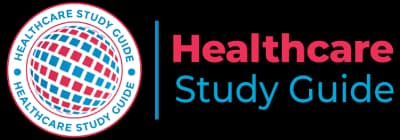
      Questions, Answers, & Explanations

      Get clear explanations behind every answer, perfect for deeper learning and more thorough exam preparation.
      • year-1-1

        Year 1

        250+ Exam Prep Questions
        $39
        Order Now Download Sample Book
      • year-2-1

        Year 2

        250+ Exam Prep Questions
        $39
        Order Now Download Sample Book
      • year-3-1

        Year 3

        250+ Exam Prep Questions
        $39
        Order Now Download Sample Book
      • year-4-1

        Year 4

        250+ Exam Prep Questions
        $39
        Order Now Download Sample Book
      • all-years-explained-answers

        All years - Explained Answers

        1000 Exam Prep Questions
        $139
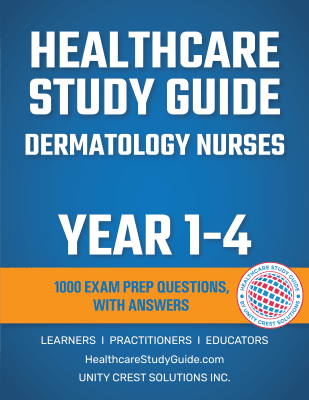
      Questions & Answers

      Quick and easy practice to test your knowledge anytime, anywhere—ideal for simple, on-the-go preparation.
      • year-1

        Year 1

        250+ Exam Prep Questions
        $19
        Order Now Download Sample Book
      • year-2

        Year 2

        250+ Exam Prep Questions
        $19
        Order Now Download Sample Book

      Evaluate Your Experience
      Test Access Here

      Take Online Test
    • year-3

      Year 3

      250+ Exam Prep Questions
      $19
      Order Now Download Sample Book
    • year-4

      Year 4

      250+ Exam Prep Questions
      $19
      Order Now Download Sample Book
    • all-years

      All years

      250+ Exam Prep Questions
      $59