Site Updates in Progress: Things might look different as we work on enhancing your experience.

Healthcare
    • Board of Directors
    • Board of Directors
  • Contact Us
  • Login
Healthcare
  • Home
  • Study Guides
    Study Guides
    • Practice Tests
      Practice Tests
      • Resources
        Resources
        • Board of Directors
          Board of Directors
          • Board of Directors
      • Contact Us

      Access top-tier trade education from anywhere in America—flexible, affordable, and digitally powered. Proudly American owned and operated.

      Useful Links

      • Home
      • Board of Directors
      • Blogs
      • Videos
      • Contact Us

      Study Guides

      • ABG Analysis & Blood Gas Interpretation
      • Acid-Base Balance & Fluid & Electrolyte Balance
      • Anatomy & Physiology Basics
      • Assignment, Delegation & Supervision
      • Basic Life Support (BLS) & Emergency Interventions
      • Blood Transfusion Protocols
      • Cardiovascular Medications & Safety Protocols
      • Cardiovascular System
      • Chest Pain
      • Community Health & Public Health Nursing
      • Critical Care Nursing & Emergency Response
      • Cultural Competence & Inclusive Nursing Practice
      • Dental Hygienist
      • Dermatology Nurse
      • Diabetes Educator
      • Diagnostic Medical Sonographer
      • Dialysis Technician
      • Dietitian
      • Digestive & Gastrointestinal System
      • Disaster & Emergency Preparedness
      • Documentation & Charting Best Practices
      • Drug Calculations & Medication Administration
      • Electrolyte Imbalances & Interventions
      • Electroneurodiagnostic Technologist (EEG Tech)
      • Emergency Medical Technician
      • Emergency Room Nurse
      • End-of-Life Care & Hospice Nursing
      • Endocrine System & Hormonal Regulations
      • Endoscopy Technician
      • Epidemiologist
      • Ethics & Legal Aspects in Nursing
      • Evidence-Based Practice & Research in Nursing
      • Exercise Physiologist
      • Family Nurse Practitioner
      • Fertility Specialist
      • Flight Nurse
      • Forensic Nurse
      • Gastroenterology Technician
      • General Practitioner
      • Genetic Counselor
      • Geriatric & Long-Term Care Nurse
      • Head Injury & Increased Intracranial Pressure
      • Health Equity & Social Determinants of Health
      • Health Information Manager
      • Health Promotion & Disease Prevention
      • Healthcare Consultant
      • Healthcare Informatics & Data Security
      • Hematologic System
      • Hemodialysis Nurse
      • Home Health Aide
      • Hormonal Imbalances & Crisis Management
      • Hospice Nurse
      • Hospital Administrator
      • Hyperbaric Technician
      • IV Therapy & Central Line Management
      • Immune System & Infectious Diseases
      • Immunologist
      • Infection Control & Isolation Precautions
      • Infection Control Specialist
      • Infection Prevention & Control Measures
      • Intensive Care Unit
      • Interdisciplinary Team Collaboration
      • Interventional Radiology Technologist
      • Lab Values & Diagnostic Testing
      • Laboratory Technician
      • Lactation Consultant
      • Legal Case Studies in Nursing Practice
      • Licensed Practical Nurse
      • Long-Term Care Nurse
      • MRI Technician
      • Maternal-Newborn Complications & High-Risk Pregnancy
      • Medical Assistant
      • Medical Coder & Biller
      • Medical Equipment Repairer
      • Medical Ethicist
      • Medical Ethics & Patient Safety
      • Medical Illustrator
      • Medical Laboratory Scientist
      • Medical Physicist
      • Medical-Surgical Nursing (Acute & Chronic Conditions)
      • Mental Health Counselor
      • Midwife
      • Multisystem Organ Failure & Shock
      • Musculoskeletal System & Mobility Disorders
      • Neonatal & Newborn Nursing
      • Neonatal Nurse
      • Nephrology Nurse
      • Neurological System (Brain, Spinal Cord, Nervous System Disorders)
      • Neuroscientist
      • Neurosurgery Technician
      • Nuclear Medicine Technologist
      • Nurse Practitioner
      • Nutrition & Diet Therapy
      • Nutritionist
      • Occupational Therapist
      • Operating Room Nurse
      • Ophthalmic Technician
      • Optometrist
      • Orthopedic Nurse
      • Pain Management & Palliative Care
      • Paramedic
      • Patient Advocacy & Informed Consent
      • Pediatrics & Maternity (Obstertrics,Prenatal,Postpartum Care)
      • Pharmacist
      • Pharmacology & Medications by Body System
      • Phlebotomists
      • Physical Therapist
      • Physician Assistant
      • Professional Boundaries & Ethics in Practice
      • Professional Nursing Concepts (Delegation, Leadership, Communication)
      • Prosthetist
      • Psychiatric & Mental Health Nursing
      • Psychiatric Nurse Practitioner
      • Pulmonologist
      • Quality Improvement & Risk Management
      • Radiation Therapist
      • Radiologic Technician
      • Registered Nurse
      • Rehabilitation Nurse
      • Renal & Urinary System
      • Reproductive Endocrinologist
      • Respiratory Emergencies & Ventilation
      • Respiratory System & Oxygenation
      • Respiratory Therapist
      • Rheumatology Nurse
      • Sepsis Management
      • Skin, Integumentary System & Burns
      • Sleep Technologist
      • Sonographer
      • Speech-Language Pathologist
      • Spine Specialist
      • Sports Medicine Nurse
      • Sterile Processing Technician
      • Stroke Recognition & Nursing Care
      • Substance Abuse Counselor
      • Surgical & Perioperative Nursing
      • Surgical Technologist
      • Technology in Patient Monitoring
      • Telehealth & Virtual Care in Nursing
      • Telemedicine Specialist
      • Tissue Bank Specialist
      • Toxicologist
      • Transplant Nurse
      • Trauma Nurse
      • Trauma-Informed Care in Nursing
      • Travel Nurse
      • Wound Care & Pressure Injuries

      Contact Us

      info@healthcarestudyguide.com

      ©2026 ALL RIGHTS RESERVED. Unity Crest Solutions Inc.

      Your browser does not support the video tag.
      HomeCourses
      Dialysis Technician
      Buy Now

      Dialysis Technician Study Guide

      What is a Dialysis Technician?

      A Dialysis Technician is a trained healthcare professional who operates dialysis machines and monitors patients undergoing treatment for kidney failure (also known as end-stage renal disease or ESRD). These technicians play a crucial role in helping patients maintain quality of life by safely removing waste and excess fluid from the blood when the kidneys can no longer perform this function.

      Dialysis Technicians work under the supervision of nurses and nephrologists (kidney doctors) and are an essential part of the renal care team in hospitals, clinics, and dialysis centers.

      Key Responsibilities

      Dialysis Technicians perform a combination of technical, clinical, and patient-focused tasks, including:

      • Preparing dialysis machines and equipment before treatment
      • Connecting and disconnecting patients to dialysis machines
      • Monitoring patient vital signs throughout the procedure
      • Ensuring sterile technique and infection control standards
      • Recording treatment data and reporting abnormalities to nurses or physicians
      • Educating patients on home care and dialysis safety
      • Maintaining and troubleshooting dialysis machines

      Required Skills & Traits

      To thrive in this role, a Dialysis Technician should possess the following qualities:

      • Attention to Detail: Ensuring accurate setup and monitoring of dialysis equipment
      • Technical Aptitude: Comfort with medical machinery and troubleshooting mechanical issues
      • Empathy & Patience: Supporting patients who are undergoing long-term, life-sustaining treatment
      • Stamina: Ability to stand for extended periods and assist with patient mobility
      • Communication Skills: Clear interaction with patients, families, and medical staff
      • Time Management: Managing schedules for multiple patients efficiently

      Industries & Work Environments

      Dialysis Technicians are in demand across a range of medical settings, including:

      1. Outpatient Dialysis Clinics: These are the most common workplaces, providing regular treatment for chronic patients (e.g., Fresenius, DaVita).
      2. Hospitals & Medical Centers: Acute dialysis services for hospitalized or emergency patients.
      3. Home Dialysis Programs: Supporting patients with home hemodialysis or peritoneal dialysis.
      4. Long-Term Care Facilities: Care for patients with complex medical conditions and chronic kidney disease.
      5. Renal Research or Academic Programs: Equipment setup and monitoring in clinical studies.
      6. Rural & Remote Health Services: Providing access to essential dialysis treatment in underserved areas.

      Why Choose This Career?

      A career as a Dialysis Technician offers a mix of stability, meaning, and technical growth:

      • Steady Demand & Growing Field: With rising kidney disease rates and an aging population, the need for trained dialysis techs is growing across North America.
      • Hands-On Patient Impact: You'll form long-term relationships with patients and play a critical role in their quality of life.
      • Shorter Training Path: Entry-level positions are accessible with 6–12 months of training.
      • Advancement Opportunities: Pathways to become a Certified Hemodialysis Technician (CHT/CCHT) or bridge into nursing and biomedical tech roles.
      • Competitive Pay & Benefits: Strong earning potential with options for shift flexibility, bonuses, and union support (especially in Canada).

      Ready to Start Your Dialysis Technician Journey?

      Prepare for your Dialysis Technician Certification Exam with our focused study guides, practice questions, and online resources—all designed to help you succeed.

      What to Expect on the Dialysis Technician Certification Exam

      Becoming a Dialysis Technician requires passing a recognized certification exam that verifies your knowledge in dialysis procedures, patient safety, and equipment operation. In the United States, the most widely accepted exams include the Certified Clinical Hemodialysis Technician (CCHT), Certified Hemodialysis Technician (CHT), and Board of Nephrology Examiners Nursing and Technology (BONENT) credentials. In Canada, dialysis technician roles may require certification through local colleges or as part of provincial training standards, often tied to nursing or technologist roles.

      These exams validate your competency to safely operate dialysis equipment and support patients undergoing life-sustaining treatment for chronic kidney disease (CKD) or end-stage renal disease (ESRD).

      Exam Format & Structure

      While each certifying body has its own structure, most exams follow similar standards of testing clinical knowledge, safety protocols, and technical skills.

      CCHT Exam (U.S. - Offered by NNCC):

      • Number of Questions: 150 (125 scored, 25 unscored)
      • Time Limit: 3 hours
      • Question Format: Multiple-choice
      • Scoring: Pass/Fail (Scaled score: 300–600; passing score: 450)
      • Eligibility: High school diploma/GED, 6–12 months of training, and clinical experience
      • Retake Policy: May retest after 45 days (up to 3 times per year)

      CHT Exam (U.S. - Offered by BONENT):

      • Number of Questions: 150
      • Time Limit: 3 hours
      • Topics Include: Patient care, dialysis procedures, water treatment, equipment maintenance
      • Eligibility: 12 months of dialysis experience or approved educational program

      Canadian Equivalents:

      • Training and competency are often validated through college-based technician programs and clinical practicums (e.g., in Ontario and British Columbia).
      • Certification may be tied to nursing technician roles or regulated health professions depending on province.

      Key Topics Covered

      The Dialysis Technician exams cover a variety of clinical and technical areas, including:

      1. Principles of Dialysis (25–30%)
        • Understanding diffusion, osmosis, ultrafiltration, and dialysate composition
        • Types of dialysis (hemodialysis vs. peritoneal dialysis)
      2. Patient Care & Safety (30–35%)
        • Vital signs monitoring, infection control, cannulation techniques
        • Managing complications (hypotension, clotting, cramping)
      3. Equipment Operation & Maintenance (15–20%)
        • Machine setup, priming, disinfection, troubleshooting
        • Alarm response and documentation
      4. Water Treatment & Quality Assurance (10–15%)
        • Water filtration, bacterial contamination prevention
        • Conductivity, pH, and endotoxin testing
      5. Professional Practice & Ethics (5–10%)
        • Patient confidentiality, HIPAA (U.S.) / PHIPA (Canada) compliance
        • Communication and emotional support for chronic care patients

      Passing Requirements

      Most exams use a scaled scoring system, with a passing score typically around 70–75% depending on the test provider.

      • Pass: Demonstrates core knowledge, safety awareness, and competency in dialysis care
      • Fail: Indicates need for further study and retesting (typically allowed after a waiting period)

      Study Tips & Strategies

      1. Understand the Exam Breakdown
        • Review the blueprint provided by the certifying body (NNCC, BONENT, etc.)
        • Focus study time on high-weight topics like patient care and machine operation
      2. Create a 6–8 Week Study Plan
        • Divide topics into weekly goals (e.g., Week 1: Dialysis principles, Week 2: Water treatment)
        • Set aside time for full-length practice exams and topic reviews
      3. Use Effective Study Tools
        • Practice Questions: Reinforce technical knowledge with Q&A
        • Flashcards: Memorize machine settings, medical terms, and safety procedures
        • Visual Aids: Diagrams of the dialysis machine, fistula/graft access types, and circuit setup
      4. Simulate Test Conditions
        • Complete 150-question practice exams with a 3-hour timer
        • Review rationales for incorrect answers and flag weak areas
      5. Master Real-Life Scenarios
        • Focus on situational judgment questions (e.g., What would you do if the blood pressure drops mid-treatment?)
        • Practice infection control protocols and alarm troubleshooting
      6. Stay Calm & Confident
        • Prepare early and avoid cramming
        • Get plenty of rest before test day and arrive early

      Final Thoughts

      Certification is the first step to launching a meaningful and in-demand career in dialysis care. Whether you're just entering the field or already working in healthcare, passing your exam demonstrates your readiness to support patients through one of the most critical aspects of chronic disease treatment.

      Ready to Ace Your Dialysis Technician Exam?

      Our comprehensive study platform offers 250+ practice questions, clinical scenarios, and certification-style mock exams tailored for both CCHT and BONENT pathways.

      Common Question Types on the Dialysis Technician Certification Exam

      Dialysis Technician certification exams (such as CCHT, CHT, or BONENT) are primarily multiple-choice and focus on technical knowledge, patient safety, machine operation, and emergency response. These exams evaluate your understanding of dialysis procedures, patient care protocols, water treatment systems, and ethical practice.

      1. Multiple-Choice Questions

      • The most commonly used format with four answer options
      • Assesses understanding of clinical protocols, machine operations, and safety guidelines

      Example Question:
      What is the most appropriate action if a dialysis machine alarm indicates "arterial pressure too high"?

      • A) Reposition the patient
      • B) Clamp the venous line
      • C) Check for kinks or occlusions in the arterial bloodline
      • D) Restart the treatment

      Correct Answer: C) Check for kinks or occlusions in the arterial bloodline
      Why? High arterial pressure often results from a blockage or resistance in the arterial tubing. The issue must be corrected before continuing treatment.

      2. Select All That Apply (SATA) Questions

      • Requires identifying all correct responses
      • Tests understanding of patient safety and procedural accuracy

      Example Question:
      Which of the following are signs of dialysis disequilibrium syndrome? (Select all that apply.)

      A) Headache
      B) Nausea
      C) Confusion
      D) Bradycardia
      E) Restlessness

      Why? Disequilibrium syndrome is a result of rapid solute shifts and often presents with neurological symptoms like confusion, nausea, and restlessness.

      3. Fill-in-the-Blank Questions

      • Used for medication doses, fluid removal, and machine settings
      • Tests calculation and basic math skills required in dialysis care

      Example Question:
      A patient is prescribed to remove 2.5 liters of fluid over a 4-hour dialysis session. What is the hourly ultrafiltration rate?

      Correct Answer: 625 mL/hour
      Why? (2,500 mL ÷ 4 hours = 625 mL/hour)

      4. Ordered Response (Prioritization) Questions

      • Tests your ability to follow clinical procedures in proper order
      • Often used in emergency scenarios or treatment setups

      Example Question:
      Place the following steps in the correct order to initiate a dialysis treatment:

      • A) Prime the dialyzer and tubing
      • B) Conduct pre-treatment machine safety checks
      • C) Wash hands and don gloves
      • D) Connect the patient’s access lines

      Correct Order: C → B → A → D
      Why? Hand hygiene comes first, followed by machine safety checks, priming the circuit, and finally patient connection.

      5. Scenario-Based or Clinical Judgment Questions

      • Simulates real-life clinical situations
      • Focuses on safety, critical thinking, and ethical decision-making

      Example Case:
      A patient begins to complain of dizziness and nausea during treatment. Blood pressure reads 86/58 mmHg.

      Question 1: What should the technician do first?
      Correct Answer: Lower the ultrafiltration rate and place the patient in Trendelenburg position

      Question 2: What might be the cause of the symptoms?
      Correct Answer: Excessive fluid removal leading to hypotension

      Why? Symptoms point to intradialytic hypotension, a common complication. The technician must intervene promptly to stabilize the patient.

      Practice Tests & Preparation Strategies

      Regular practice is key to passing the CCHT, CHT, or BONENT exams with confidence. Incorporate various question types and simulate test-day conditions.

      1. Use a Mix of Question Types

      • Include scenario-based questions, prioritization steps, and dosage calculations
      • Focus heavily on patient care, water system maintenance, and emergency protocols

      2. Simulate Exam Conditions

      • Complete full-length practice tests (150 questions in 3 hours)
      • Build mental stamina and learn to pace yourself under timed conditions

      3. Review Rationales Thoroughly

      • Don’t just memorize the correct answers—understand the “why”
      • Review detailed explanations to reinforce key concepts in machine alarms, access complications, and infection control

      4. Master Test-Taking Strategies

      • Read each question carefully, especially for safety-related scenarios
      • Look for clinical keywords such as “first,” “most appropriate,” or “best response”
      • Eliminate obviously incorrect choices before selecting the best one

      Final Thoughts

      Practicing dialysis technician-style questions helps sharpen your technical skills, improve your confidence, and prepare you for real-world clinical judgment. Consistent preparation using mock tests and scenario-based questions is one of the best ways to ensure success on exam day.

      Ready to Practice Like a Pro?

      Our study guides include 250+ exam prep questions, real-world clinical cases, and detailed rationales designed to help you pass your certification exam and launch your dialysis technician career.

      What Is It Like to Work as a Dialysis Technician?

      A career as a Dialysis Technician is both rewarding and challenging. Dialysis Technicians play a critical role in the healthcare team by operating dialysis machines and monitoring patients undergoing dialysis treatments. They work in hospitals, dialysis centers, and other healthcare facilities, ensuring patient safety and comfort during the procedure. Each day involves a variety of tasks that require technical skills, patient care, and teamwork.

      Morning Routine: Starting the Shift

      Dialysis Technicians typically begin their shift by preparing the dialysis machines, reviewing patient information, and ensuring all equipment is functioning properly. Morning responsibilities often include:

      • Shift Change & Patient Report
        • Receive handoff from the previous shift and review updates on patient conditions and dialysis needs.
        • Identify any critical patient concerns and prepare for any urgent procedures.
      • Machine Setup & Equipment Checks
        • Perform pre-treatment checks on dialysis machines, including priming the machine, checking for leaks, and ensuring proper functionality.
        • Verify the availability of necessary supplies, such as dialyzers, tubing, and anticoagulants.
      • Patient Assessment
        • Conduct initial assessments by measuring vital signs, weight, and checking access points (e.g., fistulas or grafts) for any signs of infection or complications.
        • Ensure that the patient is comfortable and ready for treatment.
      • Patient Preparation
        • Assist patients in getting positioned on the dialysis machine.
        • Connect the dialysis access points to the machine, ensuring all connections are secure and that the patient is comfortable.

      Midday Responsibilities: Critical Thinking & Patient Care

      As the day progresses, Dialysis Technicians focus on providing direct patient care, monitoring the dialysis process, and ensuring the safety and comfort of patients throughout their treatments.

      • Operating the Dialysis Machine
        • Monitor and adjust dialysis settings as needed to ensure the patient’s treatment is proceeding smoothly.
        • Continuously check for alarms or issues with the machine, such as blood flow rate or ultrafiltration issues.
      • Patient Monitoring & Communication
        • Monitor patients for any complications such as hypotension, cramping, or signs of infection at the access site.
        • Communicate with the healthcare team (nurses, doctors) about any patient concerns or changes in condition.
      • Handling Emergencies
        • Respond to any sudden medical issues during dialysis, such as fainting, allergic reactions, or equipment malfunctions.
        • Assist in resuscitation efforts and coordinate emergency medical responses.

      Evening Wrap-Up: End-of-Shift Responsibilities

      As the shift nears its end, Dialysis Technicians prepare for shift change, finalize patient care, and ensure that all documentation is completed.

      • Final Patient Rounds
        • Ensure that each patient is stable, comfortable, and their treatment is complete.
        • Check for any issues at the access points and ensure all patient needs are addressed before the shift ends.
      • Documentation & Reporting
        • Complete documentation on patient treatments, equipment use, and any incidents or concerns that occurred during the session.
        • Provide handoff reports to the next shift to ensure continuity of care.
      • Equipment Maintenance & Clean-Up
        • Clean and sterilize dialysis machines, equipment, and patient areas to prepare for the next shift.
        • Report any issues with equipment or supplies to management for resolution.

      Tools & Equipment Used by Dialysis Technicians

      Dialysis Technicians use specialized tools and medical equipment to ensure the safety and effectiveness of dialysis treatments:

      • Dialysis Machines – Perform the filtration process to remove waste and excess fluid from the patient’s blood.
      • Stethoscopes & Blood Pressure Cuffs – Used to monitor patient vital signs and detect any abnormalities.
      • Access Needles & Catheters – Inserted into the patient’s access point for dialysis treatment.
      • Ultrafiltration Devices – Help control the removal of fluid from the patient’s body.
      • Electronic Health Records (EHR) – Used to document patient treatments, progress, and any issues during the session.
      • Personal Protective Equipment (PPE) – Worn to ensure infection control and safety, including gloves, gowns, and face shields.

      Workplace Challenges & Rewards

      Challenges

      • Patient Management – Dealing with multiple patients, each with unique needs and conditions.
      • Long Hours & Shift Work – Dialysis centers often operate around the clock, requiring shift work, including nights, weekends, and holidays.
      • Emotional Stress – Some patients may experience complications, and witnessing patients with chronic kidney disease can be emotionally taxing.
      • Technical Troubleshooting – Dialysis machines and equipment require constant attention to ensure they are functioning properly.

      Rewards

      • Making a Difference – Helping patients manage their dialysis treatments and improve their quality of life.
      • Job Security – High demand for dialysis technicians due to the growing need for dialysis treatments in the population.
      • Career Flexibility – Opportunities to work in various healthcare settings or transition into supervisory or educational roles.
      • Specialization Opportunities – Dialysis Technicians can specialize in areas such as pediatric dialysis, home dialysis, or renal disease management.

      Final Thoughts

      A career as a Dialysis Technician is both fulfilling and dynamic. It offers a unique combination of technical expertise, patient care, and problem-solving, with the ability to make a lasting impact on patients’ lives. Whether working in a hospital, dialysis center, or as a traveling technician, there are many opportunities for growth and specialization within this field.

      Thinking About Becoming a Dialysis Technician?

      Prepare for certification with our comprehensive study guides, including detailed exam prep questions and real-world dialysis scenarios.

      What Are the Career Growth Opportunities for a Dialysis Technician?
      A career as a Dialysis Technician offers a broad range of opportunities for growth and specialization. From gaining advanced certifications to transitioning into leadership roles, the field provides several pathways for both career advancement and financial growth. Whether focusing on patient care, technical expertise, or management, dialysis technicians have many options for long-term success in healthcare.

      Starting Salaries & Earning Potential
      Dialysis Technician salaries can vary depending on factors like experience, location, and certifications. Here is an overview of typical salary ranges for Dialysis Technicians across North America:

      Entry-Level Dialysis Technician (0–2 Years Experience)
      • Salary: $40,000–$50,000 per year
      • Work Settings: Dialysis centers, hospitals, outpatient clinics
      • Common Roles: Staff Dialysis Technician, Dialysis Technician Trainee

      Mid-Level Dialysis Technician (3–10 Years Experience)
      • Salary: $50,000–$65,000 per year
      • Work Settings: Long-term care facilities, research hospitals, outpatient dialysis units
      • Common Roles: Senior Dialysis Technician, Lead Technician, Patient Care Technician

      Advanced & Leadership Roles (10+ Years Experience)
      • Salary: $65,000–$80,000+ per year
      • Work Settings: Large healthcare facilities, dialysis clinics, supervisory roles
      • Common Roles: Dialysis Services Supervisor, Dialysis Clinic Manager, Dialysis Program Director

      Top Paying Specializations
      • Certified Hemodialysis Technician (CHT): $60,000–$75,000
      • Pediatric Dialysis Technician: $65,000–$80,000
      • Chronic Care Dialysis Specialist: $70,000–$85,000

      Regional Salary Differences
      Salaries for Dialysis Technicians can vary significantly depending on geographic location and local demand for healthcare services.

      Highest-Paying States for Dialysis Technicians in the United States

      1. California: $60,000–$80,000+
      2. Hawaii: $55,000–$75,000+
      3. New York: $55,000–$70,000+
      4. Texas: $50,000–$65,000+
      5. Florida: $50,000–$65,000+

      Highest-Paying Provinces for Dialysis Technicians in Canada

      1. Ontario: $55,000–$70,000+
      2. British Columbia: $50,000–$65,000+
      3. Alberta: $55,000–$75,000+
      4. Quebec: $50,000–$65,000+
      5. Nova Scotia: $45,000–$60,000+

      Specialization & Advanced Roles
      Many Dialysis Technicians choose to specialize in specific areas or move into leadership or managerial roles for greater job satisfaction and higher earning potential.

      Clinical Specializations (Hands-On Patient Care)
      • Pediatric Dialysis Technician – Specializes in working with children who require dialysis treatments.
      • Chronic Care Dialysis Technician – Focuses on long-term care patients with kidney disease who require regular dialysis treatments.
      • Home Dialysis Technician – Specializes in training and supporting patients to perform dialysis treatments at home.
      • Renal Dialysis Specialist – Focuses on advanced care for patients with kidney disease, often in a hospital setting.

      Leadership & Administrative Roles
      • Dialysis Technician Supervisor – Oversees a team of technicians in a dialysis center, ensuring quality control, patient safety, and staff performance.
      • Dialysis Program Manager – Manages the operations and administration of a dialysis center or unit, including budgeting, staffing, and policy implementation.
      • Clinical Coordinator for Dialysis Services – Coordinates patient care, manages treatment schedules, and supervises technicians and other healthcare professionals.

      Non-Clinical Careers
      • Dialysis Educator – Teaches new technicians, healthcare providers, or patients about dialysis procedures, safety, and patient care.
      • Dialysis Equipment Specialist – Works in equipment manufacturing or maintenance, ensuring that dialysis machines are properly functioning and meet regulatory standards.
      • Patient Care Coordinator – Coordinates care and treatment plans for dialysis patients, ensuring smooth transitions between providers and services.

      Benefits of Certification & Continuing Education
      Certifications and continuing education are essential for Dialysis Technicians to enhance their skills, increase career opportunities, and improve job security.

      Benefits of Getting Certified:
      • Higher salaries and better job stability
      • Expanded career opportunities and access to specialized roles
      • Enhanced professional credibility and competitive advantage in the job market

      Popular Certifications for Dialysis Technicians:
      • Certified Hemodialysis Technician (CHT)
      • Certified Clinical Hemodialysis Technician (CCHT)
      • Board of Nephrology Examiners Nursing and Technology (BONENT) Certification
      • Certified Peritoneal Dialysis Technician (CPDT)
      • National Nephrology Certification Organization (NNCO) Certifications

      Higher Education Pathways for Dialysis Technicians:
      • Diploma in Dialysis Technology – The basic requirement for becoming a Dialysis Technician, typically earned through a technical college or vocational school.
      • Associate's Degree in Dialysis Technology or Medical Technology – Provides additional knowledge in patient care and dialysis techniques.
      • Bachelor's Degree in Healthcare Management or a related field – For those interested in moving into leadership or administrative roles.

      Success Stories: How Dialysis Technicians Build Their Careers
      James, a Dialysis Technician, started working in a small dialysis clinic right after completing his certification. After gaining experience and further certifications, he moved into a supervisory role at a large hospital's dialysis unit, where he now manages a team of technicians and contributes to improving patient care protocols.

      Maria, a Dialysis Technician with over 10 years of experience, transitioned into a specialized role as a Pediatric Dialysis Technician. Working closely with children undergoing dialysis, she found a fulfilling niche and advanced her career through additional pediatric dialysis training.

      Why Choose a Career as a Dialysis Technician?
      • High Demand: The growing number of patients requiring dialysis treatments has increased the demand for skilled Dialysis Technicians.
      • Career Flexibility: There are numerous job opportunities in hospitals, dialysis centers, home dialysis, and as a traveling technician.
      • Professional Growth: Certifications, specializations, and higher education can help technicians advance their careers and increase earning potential.
      • Impactful Work: Dialysis Technicians play a crucial role in improving the quality of life for patients with chronic kidney disease.

      A career in dialysis technology is both stable and rewarding, offering a range of career paths and specialized roles that provide job security and opportunities for advancement.

      Ready to Advance Your Career in Dialysis Technology?
      Prepare for certification and career growth with our comprehensive study guides, practice exams, and resources designed for Dialysis Technicians. Start your journey today!

      How Much Can a Dialysis Technician Earn?

      A career as a Dialysis Technician offers competitive salaries, consistent job growth, and a strong demand across healthcare settings. Salaries vary depending on experience, location, certification, and type of employer. Whether working in hospitals, outpatient clinics, or private dialysis centers, there are multiple ways for dialysis technicians to increase their earnings.

      General Wage Ranges for Dialysis Technicians

      Experience Level

      Hourly Wage

      Annual Salary

      Common Work Settings

      Entry-Level (0–2 Years)

      $15–$20 USD / $18–$24 CAD

      $31,000–$42,000 USD / $38,000–$50,000 CAD

      Dialysis centers, hospitals, outpatient clinics

      Mid-Level (3–10 Years)

      $20–$25 USD / $24–$30 CAD

      $42,000–$55,000 USD / $50,000–$65,000 CAD

      Hospitals, outpatient dialysis clinics

      Advanced (10+ Years)

      $25–$35 USD / $30–$40 CAD

      $55,000–$75,000+ USD / $65,000–$85,000+ CAD

      Specialized clinics, management roles

      Top Paying Specializations & Roles:

      • Dialysis Technician Supervisor – $65,000+ USD / $75,000+ CAD
      • Hemodialysis Technician – $60,000+ USD / $70,000+ CAD (depending on location and facility)
      • Certified Dialysis Technician (CDT) – $55,000–$70,000 USD / $65,000–$80,000 CAD
      • Travel Dialysis Technician – $70,000+ USD / $80,000+ CAD (varies by contract and location)

      Salary Differences by Region

      United States: Top Paying States for Dialysis Technicians (USD)

      1. California – $65,000+
      2. Hawaii – $60,000+
      3. New York – $58,000+
      4. Texas – $55,000+
      5. Florida – $50,000+

      Canada: Top Paying Provinces for Dialysis Technicians (CAD)

      1. Alberta – $75,000+
      2. Ontario – $70,000+
      3. British Columbia – $65,000+
      4. Manitoba – $60,000+
      5. Quebec – $55,000+

      Wages can vary significantly within states and provinces, with urban centers generally offering higher pay than rural areas.

      Factors That Affect Dialysis Technician Salaries

      Several key factors influence the salary of a Dialysis Technician:

      1. Certification & Education
        Certifications and additional training programs can boost earning potential:
        • Certified Hemodialysis Technician (CHT) – Increased earning opportunities
        • Certified Dialysis Technician (CDT) – Many employers offer higher pay for CDT certification.
        • Associate’s Degree – Having a degree from a recognized program may increase wages.
      2. Work Setting & Industry
        Technicians working in specialized settings, like private dialysis centers or hospital dialysis units, tend to earn more than those in smaller clinics.
        • Hospitals & Major Dialysis Centers – $50,000–$70,000 USD / $60,000–$80,000 CAD
        • Private Clinics – $45,000–$60,000 USD / $55,000–$70,000 CAD
        • Outpatient Dialysis Clinics – $40,000–$55,000 USD / $45,000–$65,000 CAD
      3. Experience & Career Progression
        • Entry-Level Technicians – Tend to start in larger, supervised settings, gaining valuable experience and skills.
        • Mid-Career Technicians – Can advance into supervisory or lead roles, earning higher pay.
        • Senior Technicians – Move into managerial or specialized roles, such as Dialysis Center Director, with the highest salaries.
      4. Travel & Per Diem Positions
        Travel dialysis technicians can earn significantly more, especially with short-term contracts in high-demand regions.
        • Travel Dialysis Technicians – $70,000+ USD / $80,000+ CAD (varies based on location and contract duration)
        • Per Diem Dialysis Technicians – Earn higher hourly wages due to flexible scheduling and as-needed shifts.

      Salary Growth Over Time

      The demand for dialysis technicians is expected to grow as the aging population increases and more people require dialysis treatments. Salaries for dialysis technicians are also projected to rise due to this growing demand.

      • United States: Projected 10% job growth for dialysis technicians by 2032.
      • Canada: Shortage of dialysis technicians expected by 2030, further driving demand and salary increases.

      Opportunities for Wage Growth

      1. Earn Certifications – Completing advanced certifications like CHT, CDT, or becoming a dialysis center supervisor can increase wages.
      2. Consider Specializations – Working with different types of dialysis treatment, such as peritoneal dialysis or pediatric dialysis, can raise earning potential.
      3. Pursue Management Roles – Becoming a dialysis center manager or supervisor can lead to significant salary increases.
      4. Travel or Per Diem Work – Working in high-demand areas or on temporary contracts increases earning potential.

      Why Dialysis Technology is a High-Potential Career

      • Job Stability – The need for dialysis services continues to grow, ensuring strong demand for skilled technicians.
      • Competitive Pay – Salaries increase with experience, education, and certification.
      • Career Flexibility – Options exist in clinical, leadership, and specialized roles within the dialysis field.
      • Work-Life Balance – Opportunities for travel nursing, per diem shifts, and flexible hours make dialysis tech a desirable career.

      Dialysis Technicians are crucial to patient care, and the opportunity to earn a stable, competitive salary continues to grow as demand for their expertise increases.

      Ready to Increase Your Earning Potential?

      Prepare for certification and career advancement with our study guides, practice tests, and certification prep materials. Start your journey toward higher wages today!

      Essential Tools & Resources for Dialysis Technicians

      A Dialysis Technician requires a specific set of tools, equipment, and learning resources to succeed in both clinical practice and certification preparation. Whether you’re a student, new technician, or experienced professional, having access to the right resources enhances both patient care and career advancement.

      Essential Equipment & Supplies for Dialysis Technicians

      Dialysis Technicians rely on a combination of medical tools, digital resources, and reference materials to perform their duties effectively.

      1. Medical Equipment & Devices | Tool | Purpose | |----------------------------------|-------------------------------------------------------| | Dialysis Machine | Performs hemodialysis to filter waste from blood | | Stethoscope | Used for auscultation of heart and lung sounds | | Blood Pressure Cuff | Measures blood pressure during dialysis | | Fistula Needle | Used for accessing a patient’s vascular access site | | Venipuncture Kit | Includes needles and syringes for drawing blood | | Tourniquet | Used to aid in blood vessel visibility during dialysis| | Dialysate Solution | Specialized fluids used in dialysis treatment | | Weight Scale | Monitors patient weight to calculate fluid removal | | Sterile Gloves | Used for maintaining aseptic technique during procedures| | Dialysis Chart/Record | Tracks patient information, dialysis process, and progress|

      Recommended Brands:

      • Dialysis Machine: Fresenius 4008S or NxStage System One
      • Stethoscope: Littmann Classic III (best for general use)
      • Blood Pressure Cuff: Omron Series

      Best Study Materials for Dialysis Technician Students & Clinicians

      For both preparing for certification exams and advancing clinical knowledge, these resources offer valuable support.

      1. Certification & Exam Preparation Books | Study Guide | Key Features | |-------------------------------------------|-------------------------------------------------------------| | Dialysis Technician Certification Exam Review | Practice questions and detailed explanations for certification exams | | Hemodialysis Handbook | Covers dialysis machine operations, techniques, and troubleshooting | | Nursing Diagnosis Handbook | Guides patient assessments and care plans | | Clinical Procedures in Dialysis | Step-by-step instructions on procedures, including vascular access and dialysis | | Pharmacology for Dialysis Technicians | Provides information on medications frequently used in dialysis | | Dialysis Safety Standards | Teaches compliance with infection control and safety protocols |

      Additional Resources:

      • Flashcards: Specific dialysis procedures, patient care protocols
      • Online Question Banks: Adaptive learning for certification exams and continuing education

      Continuing Education & Professional Development

      Dialysis Technicians must stay updated with best practices, technology advancements, and industry standards to maintain certification and improve patient care.

      Recommended Continuing Education Platforms:

      • Nephrology Nursing Certification Commission (NNCC): Offers specialized certifications for dialysis professionals
      • Dialysis Provider Associations: Continuing education for specific dialysis treatment providers
      • Medscape Dialysis Updates: Free resources on the latest dialysis techniques and safety protocols
      • National Kidney Foundation (NKF): Resources and certification for kidney-related care

      Digital & Telehealth Tools for Dialysis Technicians

      With the growing use of telemedicine and electronic health systems, Dialysis Technicians are increasingly required to use digital platforms for patient care.

      Tool

      Function

      Electronic Health Records (EHRs)

      Tracks patient data and dialysis treatment progress

      Telehealth Platforms

      Virtual consultations and remote monitoring of dialysis patients

      Medical Apps

      Provides drug references and clinical decision support (e.g., Epocrates, Medscape)

      Dialysis Calculators

      Calculates fluid removal rates and dialysate prescriptions

      Why These Tools Matter:

      • Improve efficiency in patient documentation
      • Enhance patient safety by providing access to real-time clinical guidelines
      • Support remote monitoring, improving flexibility for technicians and patients

      Professional Associations & Networking Resources

      Joining a professional organization provides access to exclusive resources, networking, and career advancement opportunities.

      Top Dialysis & Nephrology Associations:

      Association

      Membership Benefits

      American Nephrology Nurses Association (ANNA)

      Offers resources for dialysis professionals and specialized training

      National Kidney Foundation (NKF)

      Advocacy, research, and continuing education for nephrology professionals

      Nephrology Nursing Certification Commission (NNCC)

      Certification exams and continuing education in nephrology nursing

      Renal Healthcare Association (RHA)

      Provides education and networking for dialysis healthcare providers

      Dialysis Technician Conferences & Workshops:

      • ANNA National Symposium – Best for nephrology nurses and dialysis technicians
      • Kidney Week (American Society of Nephrology) – Focus on the latest nephrology research and treatments
      • National Dialysis Conference – Features updates on dialysis technologies and patient care practices

      Tips for Building Your Professional Toolkit on a Budget

      Many dialysis technician students and new graduates need to invest in equipment and study materials without overspending.

      Cost-Saving Strategies:

      • Buy Used Textbooks & Equipment: Platforms like ThriftBooks, Chegg, and eBay offer discounts on essential materials
      • Take Advantage of Student Discounts: Many associations offer reduced membership fees for students
      • Use Free Online Study Resources: Websites like Khan Academy, Open RN, and Medscape offer free resources for exam prep and clinical updates
      • Check Hospital Programs: Some employers reimburse certification fees or provide free access to CE courses

      Why Having the Right Tools & Resources Matters

      1. Improves Patient Care – Access to reliable resources enhances clinical decision-making.
      2. Boosts Confidence & Competency – Proper equipment and learning materials ensure technicians are prepared.
      3. Supports Career Growth – Certifications, continuing education, and industry involvement lead to better job opportunities and salary growth.
      4. Prepares for Certification & Career Advancement – High-quality study materials and tools increase your chances of passing certification exams and excelling in clinical practice.

      The right tools empower Dialysis Technicians to provide the best care while enhancing career opportunities and job satisfaction.

      Ready to Build Your Dialysis Technician Toolkit?

      Equip yourself with certification study guides, professional dialysis tools, and digital resources designed for success.
      → Explore Study Materials Now

      Where Can You Study to Become a Dialysis Technician?

      Becoming a Dialysis Technician requires a combination of formal education and hands-on training. The educational journey typically includes a diploma or associate degree program, along with clinical rotations that prepare you for certification and licensure. These programs offer various pathways depending on the level of education and specialization you're seeking. Whether you're just starting or looking to advance your career, choosing the right program is essential for your professional growth.

      Types of Dialysis Technician Education Programs

      1. Dialysis Technician Certificate Program
        • Duration: 6 months to 1 year
        • Overview: A focused, entry-level program covering the basics of dialysis procedures, patient care, and equipment management.
        • Best For: Those seeking quick entry into the field with minimal academic investment.
        • Limitations: May not offer extensive career advancement opportunities without further education or certification.
      2. Associate Degree in Dialysis Technology
        • Duration: 2 years
        • Overview: A more comprehensive program that includes both theory and clinical experience, often including specialized courses in dialysis machine operation, patient care, and safety protocols.
        • Best For: Those seeking more job opportunities and a deeper understanding of the dialysis process.
        • Advantages: Provides a broader knowledge base and may qualify for a wider range of healthcare roles.
      3. Bachelor’s Degree in Health Sciences (with Dialysis Technology Focus)
        • Duration: 4 years
        • Overview: Offers a well-rounded education in healthcare management, patient care, and specialized dialysis training.
        • Best For: Those planning to take on supervisory or leadership roles in dialysis centers or those interested in broadening their career within healthcare.
        • Advantages: Opens doors to higher-level positions and provides a more in-depth exploration of health sciences.
      4. Dialysis Technician Certification Programs
        • Duration: Varies (Typically takes 6–12 months)
        • Overview: Certification programs are typically offered by professional bodies, such as the Nephrology Nursing Certification Commission (NNCC). Certification validates the skills and knowledge necessary to work as a dialysis technician.
        • Best For: Practicing technicians looking to formally demonstrate their skills and knowledge.
        • Required for: Certification to meet industry standards for employment in dialysis centers.

      How to Choose the Right Dialysis Technician Program

      Choosing the right education program depends on your career goals, financial situation, and learning preferences.

      Factor

      What to Consider

      Accreditation

      Ensure the program is accredited by recognized bodies like the Commission on Accreditation of Allied Health Education Programs (CAAHEP) or Accreditation Commission for Education in Nursing (ACEN).

      Certification Preparation

      Look for programs that offer preparation for certification exams, such as Certified Dialysis Technician (CDT) or Certified Hemodialysis Technician (CHT).

      Cost & Financial Aid

      Research tuition fees, available scholarships, and financial aid options.

      Clinical Rotations

      Ensure the program offers hands-on clinical experience in dialysis centers.

      Program Flexibility

      Some programs may offer online courses or evening/weekend schedules for working professionals.

      Where to Study Dialysis Technology in the U.S. & Canada

      Top Dialysis Technician Schools in the United States:

      School

      Location

      Specialty

      University of California, San Francisco (UCSF)

      California

      Strong focus on nephrology and patient care

      Southwest Medical School

      Texas

      High-quality clinical training and technology integration

      American Institute of Health Sciences

      California

      Offers diploma and associate degree programs

      Community College of Philadelphia

      Pennsylvania

      Specializes in Dialysis Technician certifications

      Top Dialysis Technician Schools in Canada:

      School

      Location

      Specialty

      University of Toronto

      Ontario

      Focus on nephrology and healthcare education

      University of British Columbia (UBC)

      British Columbia

      Offers specialized training in dialysis care

      Mount Royal University

      Alberta

      Strong clinical placement options for students

      British Columbia Institute of Technology (BCIT)

      British Columbia

      Offers advanced programs for healthcare professionals

      Cost & Financial Aid Options

      Education Level

      U.S. Tuition (USD)

      Canada Tuition (CAD)

      Certificate Program

      $5,000 – $15,000

      N/A

      Associate Degree

      $15,000 – $30,000

      $10,000 – $20,000

      Bachelor’s Degree in Health Sciences

      $20,000 – $50,000

      $12,000 – $30,000

      Certification Program

      $300 – $2,000

      N/A

      Ways to Reduce Costs:

      • Scholarships: Organizations like the American Nephrology Nurses Association (ANNA) and Canadian Society of Nephrology (CSN) offer scholarships.
      • Loan Forgiveness Programs: Some regions may offer loan forgiveness for healthcare workers, including dialysis technicians, who work in underserved areas.
      • Employer Tuition Assistance: Many hospitals offer tuition reimbursement programs for employees pursuing further education.

      Online & Hybrid Dialysis Technician Programs

      For those who need flexible learning schedules, online and hybrid programs are available. These programs combine online coursework with hands-on clinical experience.

      School

      Program Type

      Flexibility

      Herzing University

      Online Dialysis Technician Program

      100% Online, clinical rotations required

      Keiser University

      Hybrid Dialysis Technology Degree

      Hybrid format with online courses and in-person clinicals

      University of Phoenix

      Online Health Sciences Programs

      Flexible schedules and clinical placements in local centers

      Why Investing in Dialysis Technician Education Matters

      1. Stronger Job Prospects – Employers highly value certified and well-educated dialysis technicians.
      2. Higher Earning Potential – More advanced education and certification open up better-paying job opportunities.
      3. Career Growth – Education programs allow you to specialize in different areas of dialysis, increasing your marketability and job satisfaction.
      4. Better Patient Outcomes – Well-educated technicians contribute to improved patient care, safety, and satisfaction.

      Ready to Take the Next Step in Your Dialysis Technician Education?

      Find the right education program, financial aid options, and online courses that fit your goals.
      → Explore Education Programs Now

      Why Unions & Employers Matter for Dialysis Technicians

      For Dialysis Technicians, unions and strong employer relationships are key to ensuring job stability, competitive wages, and career advancement. Whether you're just starting out or aiming for leadership roles, understanding union benefits and finding the right employer can provide significant advantages in terms of better work conditions, job security, and professional growth opportunities.

      Benefits of Joining a Dialysis Technician Union

      Unions advocate for fair compensation, workplace safety, and career development. By joining a union, Dialysis Technicians can gain:

      1. Higher Salaries & Better Benefits
        • Unionized dialysis technicians typically earn 10–25% more than non-unionized technicians.
        • Employer-provided benefits may include:
          • Paid sick leave, vacation days, and maternity leave
          • Employer-sponsored health insurance & retirement plans
          • Childcare support and other family-related benefits
      2. Improved Working Conditions & Job Security
        • Safe Staffing Ratios – Ensures manageable patient loads to avoid burnout and ensures quality care.
        • Job Protection – Legal representation to protect against wrongful termination or unfair treatment.
        • Guaranteed Contracts – Provides consistency in work hours and job expectations.
      3. Career Growth & Professional Support
        • Access to continuing education funds and professional development opportunities.
        • Union job boards for finding higher-paying positions and job placements.
        • Networking with mentors, specialists, and access to leadership programs.

      Top Dialysis Technician Unions in the U.S. & Canada

      Union Name

      Region

      Key Benefits

      SEIU Healthcare (Service Employees International Union)

      United States

      Strong labor advocacy, better wages, and job security for healthcare workers

      National Nurses United (NNU)

      United States

      Largest U.S. nursing union, focuses on healthcare workplace safety

      Canadian Federation of Nurses Unions (CFNU)

      Canada

      Largest nursing union in Canada, advocates for job security and wages

      Ontario Nurses’ Association (ONA)

      Ontario, Canada

      Focuses on improving working conditions and securing fair pay

      British Columbia Nurses’ Union (BCNU)

      British Columbia, Canada

      Supports dialysis technicians and healthcare workers with bargaining power

      Top Employers for Dialysis Technicians

      The best healthcare providers offer strong workplace support, competitive salaries, and opportunities for career advancement. Here are some of the top employers for dialysis technicians:

      1. Top U.S. Healthcare Employers for Dialysis Technicians

      Employer

      Location

      Why Work Here?

      Fresenius Medical Care

      Nationwide

      Leading provider of dialysis services, offers comprehensive training programs and career advancement opportunities

      DaVita

      Nationwide

      Excellent employee benefits, professional growth, and strong employee support programs

      Renal Ventures Management

      Nationwide

      High demand for skilled dialysis technicians, offers job stability and robust healthcare packages

      American Renal Associates

      Nationwide

      Known for offering career development programs and competitive salaries

      1. Top Canadian Healthcare Employers for Dialysis Technicians

      Employer

      Location

      Why Work Here?

      BC Renal

      British Columbia

      Provides advanced training in renal care and competitive pay

      Toronto General Hospital (UHN)

      Ontario

      Known for specialization opportunities in renal care and strong professional support

      Alberta Health Services (AHS)

      Alberta

      Offers job security and opportunities for career growth in healthcare

      Vancouver Coastal Health

      British Columbia

      Focus on improving patient care and offering high-quality dialysis services

      Sunnybrook Health Sciences Centre

      Ontario

      Strong in nephrology and renal care programs, provides leadership opportunities

      Best Employers for Telehealth & Travel Dialysis Technicians

      For those interested in remote work or high-paying travel contracts, the following employers provide excellent opportunities.

      1. Leading Telehealth & Remote Dialysis Employers

      Employer

      Type

      Why Work Here?

      Teladoc Health

      Telehealth

      Remote patient care, flexible work-from-home options

      Amwell

      Telehealth

      Virtual healthcare services with a focus on patient care

      BAYADA Home Health Care

      Remote & Home Care

      Offers virtual case management and remote dialysis assessments

      1. Best Travel Dialysis Agencies

      Agency

      Why Work Here?

      Aya Healthcare

      High pay, nationwide contracts, housing stipends

      AMN Healthcare

      Multiple international travel opportunities

      Medical Solutions

      Personalized placements and career growth opportunities

      Fastaff Travel Nursing

      Highest-paying short-term travel dialysis contracts

      Triage Staffing

      Top-rated recruiter for flexible travel dialysis roles

      How to Find the Best Dialysis Technician Jobs

      Whether you're looking for full-time hospital positions, telehealth opportunities, or travel contracts, finding the right employer is essential for your career success.

      Where to Search for Dialysis Technician Jobs

      Hospital Career Portals – Apply directly on healthcare facility websites.

      Job Boards – Websites like Indeed, Nurse.com, and Health eCareers have dialysis technician-specific listings.

      Union Hiring Halls – Many unions offer job placement assistance for members.

      Travel Dialysis Agencies – Work high-paying, short-term assignments across the U.S. & Canada.

      Government Healthcare Jobs – Opportunities with VA Hospitals (U.S.) and Provincial Health Boards (Canada).

      Why Unions & Employers Matter in Dialysis Technology

      1. Unions Protect Technicians’ Rights – They ensure better working conditions, fair wages, and job security.
      2. Top Employers Offer Higher Pay & Training – Dialysis technicians in top healthcare institutions have more opportunities for specialization and leadership roles.
      3. Remote & Travel Dialysis Expands Career Flexibility – Work anywhere while earning top salaries and gaining varied experiences.

      Leveraging union benefits and strong employer connections will allow you to build a rewarding career as a Dialysis Technician with long-term stability.

      Ready to Advance Your Dialysis Technician Career?

      Explore union benefits, top job openings, and travel dialysis opportunities tailored for technicians.
      → Find Your Dream Job Today

      Staying Ahead in the Dialysis Technician Industry

      The healthcare industry, including dialysis care, is constantly evolving. Dialysis Technicians must adapt to new technologies, treatment methodologies, and industry standards to stay competitive. Whether you are a seasoned technician or just starting in the field, ongoing learning and professional development will help you stay relevant and advance your career.

      Emerging Trends in Dialysis Technology

      1. Expansion of Home Dialysis & Remote Monitoring
        • The shift towards home dialysis and remote patient monitoring has increased, offering more flexibility for patients and technicians.
        • Skills to Learn: Home dialysis procedures, patient education for home dialysis, and telemedicine consultation for remote monitoring.
        • Best Career Opportunities:
          • Home Dialysis Technician (work with patients directly in their homes)
          • Remote Dialysis Monitor (virtual patient monitoring for home-based care)
      2. Technological Advancements in Dialysis Equipment
        • New dialysis machines and wearable technology are improving treatment outcomes and patient comfort.
        • Skills to Learn: Familiarity with the latest dialysis machines, maintenance of advanced equipment, and troubleshooting.
        • Best Career Opportunities:
          • Dialysis Equipment Specialist
          • Clinical Dialysis Trainer
      3. Increased Focus on Patient-Centered Care
        • As healthcare continues to prioritize patient-centered care, Dialysis Technicians will need to improve their patient communication skills and focus on individualized treatment plans.
        • Skills to Learn: Patient communication, empathy in patient care, and cultural competency.
        • Best Career Opportunities:
          • Patient Care Specialist in Dialysis
          • Dialysis Care Coordinator
      4. Sustainability and Green Initiatives in Dialysis
        • The push for more sustainable healthcare practices is influencing the dialysis industry, with initiatives aimed at reducing environmental impact.
        • Skills to Learn: Understanding sustainable practices in dialysis care, eco-friendly dialysis technologies.
        • Best Career Opportunities:
          • Sustainability Officer in Dialysis Centers
          • Green Healthcare Technician
      5. Growing Demand for Dialysis Technicians in Rural Areas
        • As demand for dialysis services increases, there is a particular need for skilled technicians in rural and underserved areas.
        • Best Career Opportunities:
          • Rural Dialysis Technician
          • Mobile Dialysis Technician

      Best Practices for Career Growth & Professional Development

      1. Continuing Education & Advanced Certifications
        • Certifications and advanced training increase job prospects and salary potential.
        • Certifications That Enhance Career Growth:
          • Certified Hemodialysis Technician (CHT)
          • Certified Clinical Hemodialysis Technician (CCHT)
          • Certified Peritoneal Dialysis Technician (CPDT)
        • Top Online Certifications & CEUs:
          • National Nephrology Certification Organization (NNCO) – Offers certification programs for dialysis professionals.
          • The American Nephrology Nurses Association (ANNA) – Provides specialized training and continuing education.
      2. Networking & Professional Organizations
        • Joining national and regional dialysis organizations is vital for career growth, mentorship, and advocacy.
        • Top Dialysis & Nephrology Associations:
          • National Kidney Foundation (NKF) – U.S. based, supports kidney health professionals.
          • American Nephrology Nurses Association (ANNA) – Offers networking and professional development opportunities.
          • Canadian Society of Nephrology (CSN) – A resource for nephrology technicians in Canada.
        • Benefits of Membership:
          • Access to job boards and exclusive opportunities.
          • Invitations to conferences, workshops, and webinars.
          • Professional mentorship and community support.
      3. Building a Professional Portfolio
        • Develop a portfolio that highlights your clinical experience, certifications, and any special training you’ve received.
        • Consider creating a LinkedIn profile to showcase your skills, connect with recruiters, and join relevant professional groups.

      Challenges & Opportunities in Dialysis Technology

      1. Shortage of Dialysis Technicians: Higher Demand, Better Opportunities
        • Both the U.S. and Canada face a growing need for dialysis technicians due to the increase in kidney disease.
        • Impact: Increased job opportunities, higher salaries, and more demand for mobile and travel dialysis roles.
      2. Work-Life Balance & Burnout Prevention
        • Long shifts, emotional stress, and the physical demands of dialysis care can lead to burnout.
        • Strategies to Prevent Burnout:
          • Opt for flexible schedules (part-time, PRN, or travel roles).
          • Engage in self-care practices, access mental health resources, and participate in relaxation techniques.
          • Take regular breaks and practice time management.
      3. The Future of Dialysis Care: More Specialization
        • Advancements in medical treatments are creating more opportunities for specialization in dialysis care.
        • Emerging Specializations:
          • Peritoneal Dialysis Technician – Specialized in at-home dialysis procedures.
          • Dialysis Educator – Focus on educating patients about home dialysis and treatment options.
          • Renal Care Coordinator – Manage patient care and ensure treatment plans are tailored to individual needs.

      Why Staying Ahead in Dialysis Technology Matters

      Success in dialysis technology requires continuous learning, adaptability, and staying informed about industry changes.

      • Keep Learning: Continue to improve your skills through certifications and advanced training.
      • Network & Collaborate: Join professional organizations for mentorship, networking, and career advancement.
      • Embrace New Technology: Be open to advancements in dialysis equipment, home dialysis, and telemedicine.
      • Prioritize Self-Care: Protect against burnout by maintaining a healthy work-life balance.

      Ready to Take the Next Step in Your Dialysis Technician Career?

      Explore study materials, certification prep guides, and career resources designed to help you succeed. → Start Learning Today!

      Buy Dialysis Technician

      Questions, Answers, & Explanations

      Get clear explanations behind every answer, perfect for deeper learning and more thorough exam preparation.

      • year-1-1

        Year 1

        250+ Exam Prep Questions
        $39
        Order Now Download Sample Book
      • year-2-1

        Year 2

        250+ Exam Prep Questions
        $39
        Order Now Download Sample Book
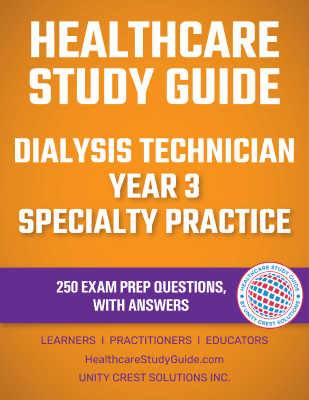
      • year-3-1

        Year 3

        250+ Exam Prep Questions
        $39
        Order Now Download Sample Book
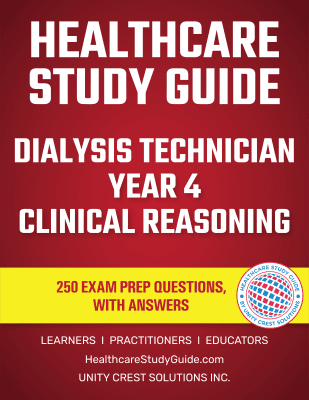
      • year-4-1

        Year 4

        250+ Exam Prep Questions
        $39
        Order Now Download Sample Book
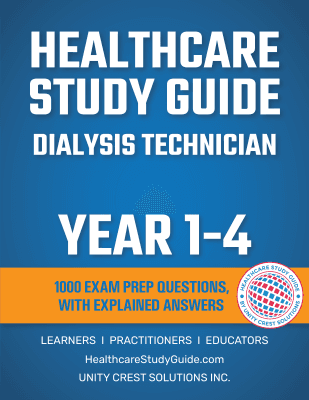
      • all-years-explained-answers

        All years - Explained Answers

        1000 Exam Prep Questions
        $139
      Questions & Answers

      Quick and easy practice to test your knowledge anytime, anywhere—ideal for simple, on-the-go preparation.
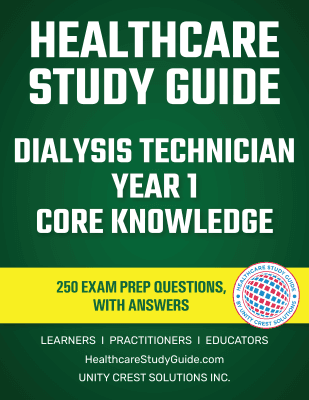
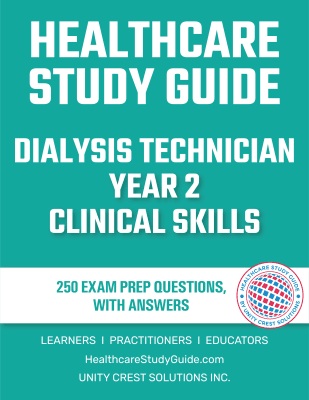
      • year-1

        Year 1

        250+ Exam Prep Questions
        $19
        Order Now Download Sample Book
      • year-2

        Year 2

        250+ Exam Prep Questions
        $19
        Order Now Download Sample Book

      Evaluate Your Experience
      Test Access Here

      Take Online Test
    • year-3

      Year 3

      250+ Exam Prep Questions
      $19
      Order Now Download Sample Book
    • year-4

      Year 4

      250+ Exam Prep Questions
      $19
      Order Now Download Sample Book
    • all-years

      All years

      250+ Exam Prep Questions
      $59